
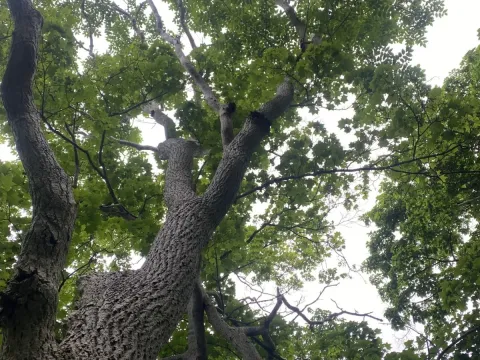
Sakhalin cork tree
Phellodendron sachalinense
The Sakhalin cork tree (Phellodendron sachalinense) is a deciduous species within the Rutaceae family. It is native to Sakhalin, the Kuril Islands, and parts of Japan, typically thriving in moist valleys and along the lower slopes of mountainous regions.
What the section contains
Sakhalin cork tree
This tree is noted for its distinctive, soft, corky bark that feels velvety to the touch, providing both aesthetic and practical value. It serves as a significant resource in both the timber industry and the pharmacological sector due to the alkaloid content in its bark.
The species requires fertile, well-drained, and humus-rich soil for optimal growth. It is highly sensitive to waterlogging, necessitating excellent site drainage to prevent root rot and ensure the overall health of the tree during its formative years.
Regarding climate, Phellodendron sachalinense is relatively frost-hardy, although young specimens benefit from shelter against late spring frosts. It prefers sunny locations but can tolerate partial shade during its initial developmental phase in a forest-like environment.
Agricultural management of this species focuses on maintaining adequate spacing and soil moisture levels. Once established, it is a hardy tree that demands minimal intervention, making it an excellent choice for sustainable agroforestry projects aimed at high-value wood production.
While the Sakhalin cork tree is generally robust, it is susceptible to specific fungal infections, particularly under conditions of poor air circulation and high environmental humidity in the growing area.
Pest pressure mainly comes from defoliating insects that target the soft foliage during the peak growing season, which can lead to reduced vigor in young trees and stunted overall growth.
Bark damage is a significant concern, as physical wounds provide entry points for pathogens. Maintaining the integrity of the bark is essential for the tree's defense system and long-term vitality.
Preventative measures, such as proper pruning and ensuring sufficient light penetration into the canopy, are vital for reducing the risk of powdery mildew and other typical fungal threats.
Early identification of pest infestations through periodic monitoring is crucial for successful cultivation, allowing for targeted and effective management strategies without unnecessary chemical usage.