
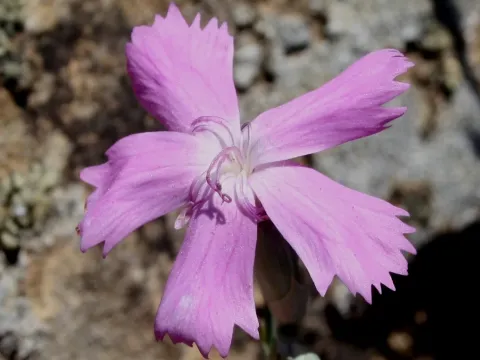
Rusty pink
Dianthus ferrugineus
The propagation of Dianthus ferrugineus is typically achieved through seed sowing in late winter or early spring, using a greenhouse or indoor seed trays to maintain a stable environment. A constant temperature of around 18–20 degrees Celsius is essential for successful germination.
What the section contains
Rusty pink
Seedlings should be transplanted into individual pots once they develop true leaves, allowing them to harden off gradually before being moved to an outdoor setting in late May. This transition is crucial to ensure the plants can withstand environmental fluctuations.
Direct sowing in the garden is feasible in milder climates during late April. The seeds should be sown shallowly, just covering them with a thin layer of sand or fine soil to ensure adequate light exposure, which aids in the germination process.
When planting in open ground, spacing should be approximately 20 to 25 centimeters apart to allow for proper airflow and root system expansion, preventing overcrowding that could lead to humidity-related issues.
The substrate for sowing must be light, well-draining, and slightly alkaline. Maintaining consistent surface moisture is required until the seedlings are established, after which irrigation can be reduced to a more moderate frequency.
Dianthus ferrugineus belongs to the Caryophyllaceae family and is recognized for its preference for rocky, well-draining soils. It is a perfect candidate for rock gardens, dry slopes, and xeriscaping where water availability is limited.
This species requires full sun exposure to flourish and maintain its structural integrity. In shaded areas, the stems may become leggy, and the production of flowers will be significantly reduced, compromising the plant's ornamental value.
Soil quality is paramount; the plant thrives in gritty or sandy soils with a neutral to slightly alkaline pH. High amounts of organic matter, such as compost or manure, should be avoided as they can retain too much moisture and promote root rot.
Once established, the plant is remarkably drought-tolerant. During the hottest summer months, deep, infrequent watering is preferred over light daily sprinkling to encourage deep root growth and resilience against dry conditions.
In terms of climate, the plant is hardy and adapts well to seasonal temperature changes. Ensuring proper drainage during the wet winter months is the most critical factor for overwintering success and longevity.
Fungal pathogens such as rust and root rot are the primary health threats to this species. These diseases are almost always associated with poor drainage, waterlogged soil, or low air circulation around the base of the plant.
Insects like aphids and spider mites can infest the foliage and flower buds, particularly during hot, dry spells. These pests weaken the plant and can act as vectors for secondary viral infections if not managed effectively.
Integrated pest management, including regular inspection and the use of botanical soaps or targeted insecticides, is recommended. Keeping the planting area free of debris helps to reduce the habitat for these harmful organisms.
Preventive maintenance involves pruning dead or diseased tissue immediately upon discovery to prevent the spread of spores. Ensuring that the foliage stays dry through drip irrigation or base-level watering is a highly effective cultural control.
Periodic thinning of the planting site ensures that air can circulate freely among the plants, which effectively lowers the humidity levels and prevents the development of fungal and bacterial colonies during the growing season.