
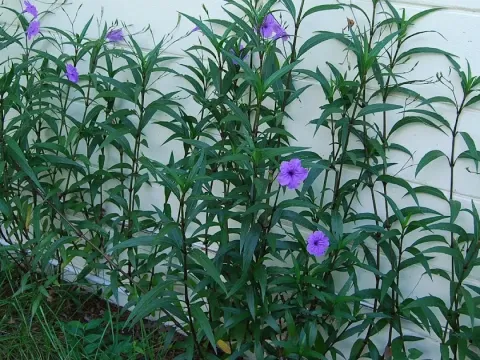
Ruellia malacosperma
Ruellia malacosperma
Ruellia malacosperma is a notable member of the Acanthaceae family, often recognized for its botanical uniqueness and specific growth requirements.
What the section contains
Ruellia malacosperma
Propagation is typically carried out via seeds, which should be sown in a high-quality, well-draining starting mix during the early spring months.
Seed depth should be minimal, as the seeds require ambient light and consistent warmth to break dormancy and initiate successful germination.
Once seedlings have developed their second set of true leaves, they should be carefully transplanted into larger pots to prevent root overcrowding.
Consistency in seed moisture and soil temperature is critical during the first two weeks to ensure a high rate of seedling establishment.
This species thrives in bright, filtered light and should be protected from the harsh midday sun to prevent leaf scorching and desiccation.
The soil profile for optimal growth must be rich in organic matter and possess a texture that allows for rapid drainage of excess water.
Regular irrigation is necessary to maintain soil moisture, yet the grower must avoid waterlogging, which often leads to severe root health complications.
The plant performs best in temperatures ranging from 20 to 26 degrees Celsius and does not tolerate frost or prolonged exposure to temperatures below 12 degrees.
Fertilization schedules should focus on balanced NPK ratios, applied sparingly during the growing season to encourage steady, healthy foliage development.
Spider mites are a common pest for this crop, especially in indoor environments where low humidity levels favor their rapid reproduction and spread.
Fungus gnats may colonize the moist potting medium, particularly if the organic content of the soil is high and drainage is compromised.
Root rot, often caused by pathogenic fungi such as Phytophthora or Pythium, remains the most significant threat to the longevity of the plant.
Maintaining adequate airflow around the foliage is essential to prevent the development of powdery mildew, which can significantly damage the plant surface.
Integrated pest management strategies should be employed, prioritizing cultural controls like proper spacing and irrigation management before turning to chemical interventions.