
Kikudaidai
Citrus canaliculata hort. ex Yu. Tanaka
Description
Growing requirements
Kikudaidai (Citrus canaliculata) is a unique citrus species belonging to the Rutaceae family. This plant is a recognized natural hybrid originating from Japan, closely related to other sour citrus types like the bitter orange.
The plant thrives in subtropical climates that offer mild winters and long growing seasons. It requires full sunlight to produce high-quality foliage and fruit, making it ideal for south-facing garden locations.
Soil requirements for this culture are specific: it demands well-draining, nutrient-rich soil with an acidic to neutral pH. Providing adequate drainage is the most important factor in preventing root diseases.
For regions with harsh winter conditions, container cultivation is the recommended approach. This method allows growers to move the plant into frost-free greenhouses during the cold season.
Agrotechnical care includes consistent fertilization throughout the spring and summer months. Balanced macronutrients and micronutrients are essential to maintain deep green leaves and healthy flower development.
Main diseases and pests
Common pests affecting Kikudaidai include scale insects and spider mites. These pests thrive in stagnant air and dry conditions, often requiring frequent monitoring and timely treatment.
Fungal diseases, such as root rot and anthracnose, are significant threats to this citrus variety. These conditions are usually triggered by overwatering and poor drainage management.
Aphids can be a major issue, particularly during the new growth phases in the spring. They stunt leaf development and can transmit viruses that weaken the tree over time.
Integrated pest management, including pruning for airflow and the use of insecticidal soaps, is effective in keeping the tree healthy without the excessive use of harsh chemicals.
Maintaining a clean growing environment and quickly removing infected plant parts are the best preventative measures to protect the tree from systemic infestations.
Harvesting
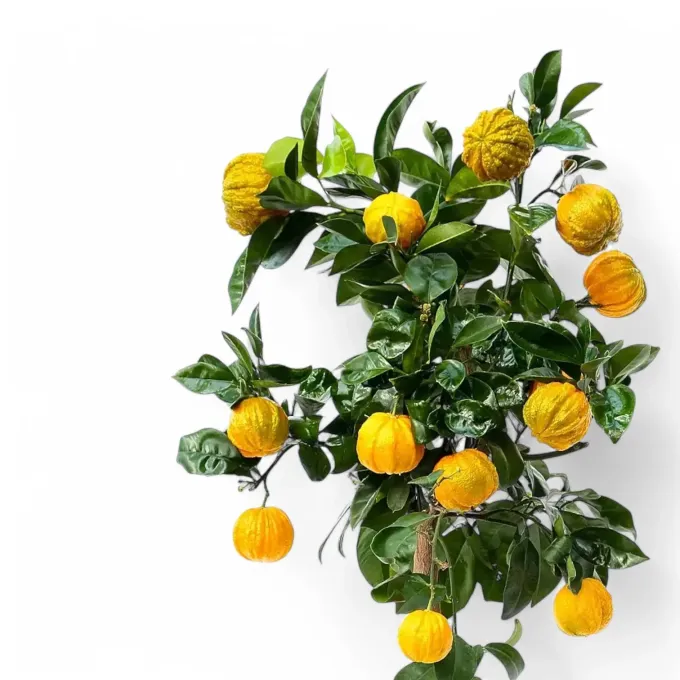
Kikudaidai fruits are easily identified by their distinct ribbed shape and vibrant orange peel. Harvesting should be performed when the fruit achieves a uniform color and full aroma.
Due to its high acidity, the fruit is not typically consumed fresh but is highly valued in culinary arts for flavoring marinades, sauces, and as a zest component for specialized dishes.
The peel contains concentrated essential oils, which are utilized in the manufacturing of perfumes and flavoring extracts, adding significant economic value to the crop.
Careful harvesting using hand pruners helps preserve the integrity of the fruit's skin, which is crucial for preventing spoilage during the post-harvest storage phase.
Post-harvest, the fruits should be stored in a cool, well-ventilated area. This environment ensures the fruit remains firm and aromatic for several weeks after removal from the branch.