
Citrus macroptera
Citrus macroptera
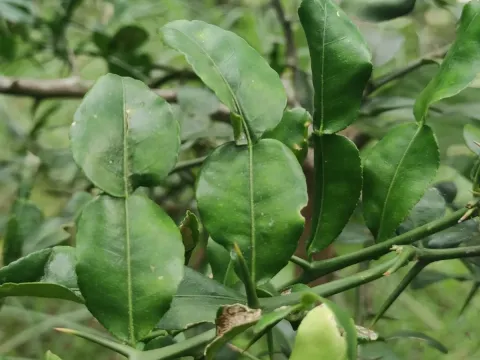
Citrus macroptera, commonly known as Melanesian papeda, belongs to the Rutaceae family. It is an evergreen tree that reaches a height of 5 to 10 meters in its natural habitat and is characterized by distinct winged leaf stalks.
What the section contains
Citrus macroptera
This species is native to the tropical regions of Southeast Asia and the Melanesian islands. For optimal development, the plant requires a hot and humid tropical climate; it is extremely sensitive to frost and low temperatures.
The soil for cultivation should be fertile, well-drained, and have a slightly acidic to neutral pH. In garden or orchard conditions, it is crucial to maintain consistent soil moisture without waterlogging the root zone.
The crop prefers bright but indirect sunlight, as direct midday sun can cause burns on young leaves. In greenhouse conditions, maintaining humidity levels at 70-80 percent is essential to prevent leaf drop.
Propagation is most commonly achieved through seeds or grafting onto more resistant citrus rootstocks. Agrotechnics include regular fertilization with complex mineral fertilizers during the active growing season and preventive pruning.
Citrus macroptera fruits have a specific appearance: they are round or slightly pear-shaped with prominent bumpy texture on the peel. The economic use of the crop is diverse, encompassing both culinary applications and traditional medicine.
In Southeast Asian cuisines, the fruits are prized for the intense aroma of the essential oils found in the peel. The fruit pulp is generally very acidic and contains many seeds, which is why the aromatic zest is more commonly consumed.
Its use for medicinal purposes is linked to a high content of bioactive compounds and antioxidants. Decoctions made from leaves and fruits are traditionally used to improve digestion and strengthen the immune system.
On an industrial scale, the raw material can be processed to extract essential oil, which is in demand within the perfume and cosmetic industries. Furthermore, the fruits are used as a natural flavoring agent for marinades and beverages.
The yield potential largely depends on the age of the tree and the growing conditions. A mature tree is capable of producing a significant quantity of fruit, which ripens gradually over the course of several months.
The main pests for this crop include citrus aphids and spider mites, which develop actively in conditions of insufficient air humidity. Regular inspection of the underside of leaves allows for early detection of infestation signs.
Scale insects and mealybugs pose a serious threat to the bark and young shoots. To combat them, systemic insecticides are applied, or affected areas are cleaned with an alcohol solution.
Fungal diseases, such as anthracnose and various types of rot, can affect the plant under poor ventilation and excessive watering. Prevention includes maintaining proper irrigation regimes and using broad-spectrum fungicides when spots appear.
Microelement deficiencies, particularly iron or magnesium deficiency, often manifest on the leaves as chlorosis. To address this, foliar feeding with chelated forms of microelements is recommended.
An important aspect of protection is quarantine control when introducing new seedlings, as the crop is susceptible to viral citrus infections transmitted by insect vectors. Maintaining hygiene for pruning tools helps prevent the spread of pathogens.