
Lime
Citrus excelsa Wester
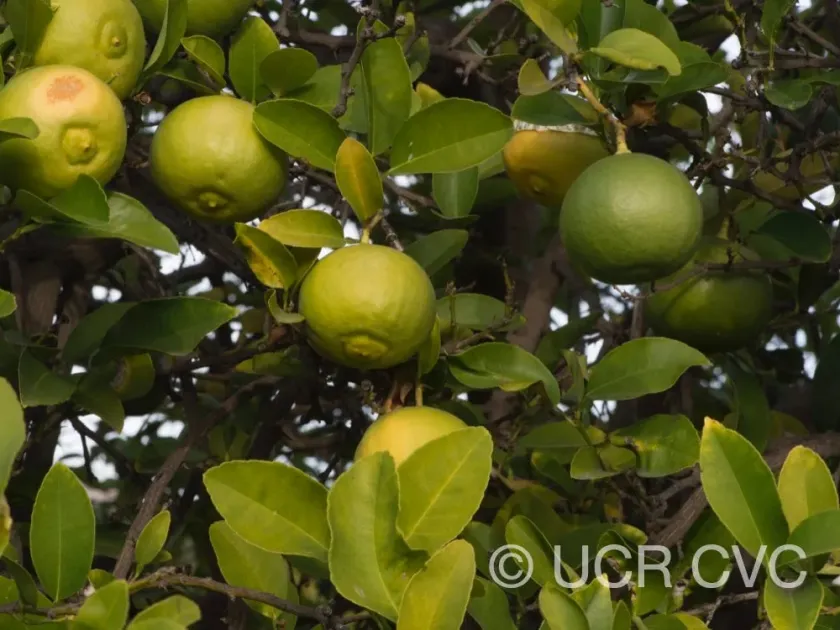
Description
Growing requirements
Lime (Citrus excelsa) belongs to the Rutaceae family. As a tropical evergreen tree, it requires warm climates with temperatures between 25 and 30 degrees Celsius, as it is highly sensitive to frost and cold winds.
Sunlight is a critical factor for the development of the lime tree. It thrives under bright, filtered sunlight, which ensures healthy growth, proper development of the canopy, and stimulation of the flowering process throughout the season.
The soil for lime trees must be well-draining, loose, and fertile, with a slightly acidic to neutral pH. Proper soil structure is essential, as waterlogged roots are highly prone to rot, which can quickly lead to the death of the plant.
High relative humidity is necessary for successful cultivation. If kept indoors or in dry climates, the plant benefits significantly from regular misting and the use of air humidifiers to mimic its natural tropical environment.
Regular fertilization is required to maintain health and productivity. The tree needs a balanced mix of nitrogen, phosphorus, and potassium, supplemented with essential micronutrients like iron, magnesium, and zinc to prevent leaf yellowing.
Yield
Limes are used extensively in the food and beverage industry, as well as in the production of high-quality essential oils used in cosmetics and perfumery. The fruit is highly valued for its high vitamin C and citric acid content.
Yield capacity is influenced by the tree's age, care practices, and environmental conditions. In commercial tropical orchards, productive trees start yielding significant amounts of fruit after three to four years of growth.
Strategic pruning is a key technique for increasing yield. By removing dense or damaged branches, growers can improve airflow and light penetration into the center of the canopy, which stimulates the production of new fruiting wood.
Container-grown lime trees can produce consistent yields if managed correctly. Regular repotting and root pruning are necessary to ensure the tree maintains its vigor and continues to supply fruit over several years.
The harvest should be timed according to the desired acidity and juice content. Harvesting at the point of technical maturity ensures the best culinary properties and extends the shelf life of the fruit during storage and transport.
Main diseases and pests
Common pests affecting lime trees include spider mites, scale insects, and mealybugs. These organisms thrive in dry conditions and can cause significant damage to the plant by sucking sap from the leaves and soft tissues.
Fungal diseases like anthracnose are prevalent when air circulation is poor and humidity remains too high for too long. Symptoms include dark spots on leaves and premature leaf drop, which weakens the tree's overall structure.
Root rot is a major threat caused primarily by poor drainage and excessive irrigation. Prevention involves monitoring the soil moisture levels and ensuring that the pot or orchard bed has adequate drainage capabilities.
Gummosis, or resinous discharge from the bark, is a serious condition that requires immediate attention. Growers must scrape off the affected areas and treat them with copper-based fungicides to prevent the spread of the infection.
Effective plant protection involves an integrated approach, including regular inspections of the canopy, maintaining good hygiene in the growing area, and using targeted pesticide treatments when early symptoms are detected.