
Citron
Citrus limonimedica
Description
Growing requirements
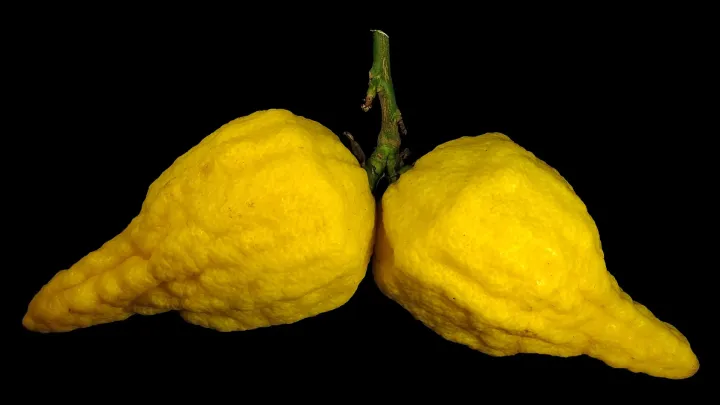
Citron (Citrus limonimedica) is a species of the Rutaceae family, recognized as one of the oldest citrus fruits known to mankind. It is an evergreen shrub or small tree characterized by its large, fragrant, and thick-skinned fruits.
The plant originates from the regions of Southeast Asia and has historically been cultivated in Mediterranean climates. It requires consistent warmth and thrives in environments where frost is completely absent throughout the year.
Regarding soil requirements, the citron demands well-draining, nutrient-rich soil with a slightly acidic to neutral pH. Proper soil aeration is critical to prevent root diseases and ensure healthy growth of the root system.
Agricultural practices for citron involve careful monitoring of moisture levels, as both drought and overwatering can severely stress the plant. Regular pruning is necessary to shape the canopy and maintain high productivity.
Economically, the citron is highly valued in the confectionery industry for its rind, which is processed into candied fruits and used for the extraction of aromatic essential oils.
Main diseases and pests
The most common pests affecting citron trees are citrus scale insects, spider mites, and mealybugs, which tend to thrive in dry conditions or poorly ventilated indoor environments.
Common pathological threats include citrus tristeza virus and various fungal infections such as gummosis, which manifests as gum exudation on the trunk and leads to tissue necrosis.