
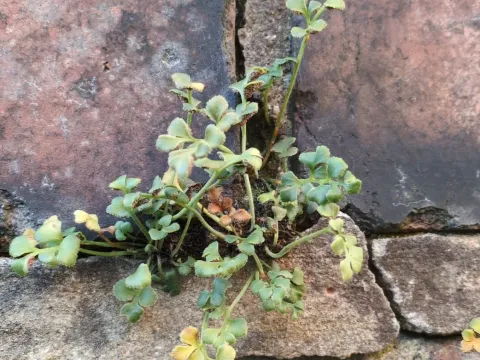
Rustyback fern
Ceterach
The Rustyback fern (Ceterach officinarum) is a distinctive perennial fern belonging to the family Aspleniaceae. It is widely recognized for its small, leathery fronds which are covered on the underside with brown, overlapping scales that resemble rust, providing natural insulation against extreme conditions.
What the section contains
Rustyback fern
Native to Southern and Central Europe, the Mediterranean, and parts of Asia, this species thrives in challenging environments such as limestone crevices and arid rock faces. Its ability to tolerate severe dehydration makes it a botanical marvel capable of surviving intense summer heat.
In cultivation, this plant requires an alkaline, well-draining substrate composed primarily of rock fragments and lime. Providing adequate drainage is critical, as stagnant water is the primary cause of decline for this rock-dwelling fern in domestic gardens.
The plant thrives in temperate climates but requires a sheltered location during freezing winter months. While it is hardy, excessive winter moisture combined with cold temperatures can damage the foliage and crown of the plant, necessitating protection or indoor winter storage.
The Rustyback fern is historically used in herbalism for its mild diuretic and expectorant qualities. In modern horticulture, it is highly valued by enthusiasts of alpines and rock gardens for its unique texture and year-round green foliage, which adds interest to vertical stone arrangements.
The most significant threat to the Rustyback fern is fungal infection caused by high humidity and waterlogged soil conditions. Proper air circulation and minimal irrigation are the best preventative measures to keep the crown and rhizomes healthy throughout the year.
Garden pests such as slugs and snails represent a constant danger to the tender, developing fronds. These pests can rapidly defoliate the plant, weakening its physiological state and leaving it susceptible to opportunistic pathogens.