
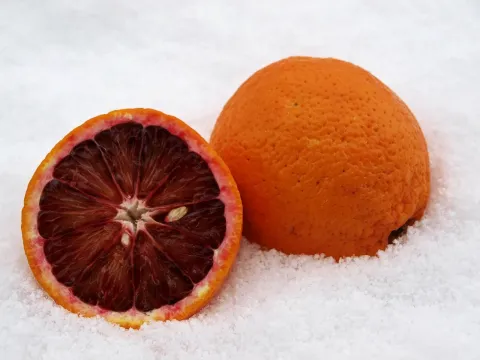
Citrus hybrids
Citrus hybrids
Citrus hybrids belong to the family Rutaceae and encompass a diverse range of cultivars resulting from cross-breeding distinct citrus species. These plants are characterized by their evergreen foliage, aromatic oils, and complex genetic backgrounds that combine traits for improved resilience, flavor profiles, and harvest timing.
What the section contains
Citrus hybrids
Climate requirements for these hybrids are strictly centered on subtropical and tropical zones. They thrive in regions with warm summers and mild winters, as most commercial hybrids are susceptible to frost damage. Consistent sunlight exposure is essential to trigger the metabolic processes required for sugar accumulation in the fruits.
Soil management for citrus hybrids necessitates well-drained, slightly acidic soil types, typically with a pH range of 5.5 to 6.5. Because the root systems are sensitive to hypoxia, planting on elevated mounds or utilizing specific drainage techniques is a standard practice to prevent the incidence of waterlogging.
Agronomic practices include rigorous irrigation management, often utilizing drip systems to ensure consistent moisture at the root zone. Fertility programs are tailored to the phenological stages of the plant, focusing on nitrogen-heavy fertilizers during the vegetative phase and potassium-rich inputs during the fruit-set and development phases.
Pruning is a critical maintenance task for citrus hybrids, ensuring that canopy density remains balanced to allow airflow and light penetration. This structural management not only improves the size and quality of the fruit but also serves as a preventative measure against foliage-borne pathogens.
Yield efficiency is contingent upon the use of certified rootstocks and proper nutrition protocols. Mature orchards can sustain high production levels for decades, provided that the canopy-to-root ratio is kept in balance and environmental stressors are managed through proactive agronomic planning.
Citrus hybrids are vulnerable to several key pests, including citrus psyllids, aphids, and scale insects. These pests can cause direct damage to the plant tissue and serve as vectors for systemic viral diseases, making consistent monitoring and integrated pest management (IPM) strategies indispensable.
Fungal diseases like citrus scab, melanose, and various forms of root rot present significant challenges in humid environments. Management strategies primarily involve a combination of chemical preventative treatments, cultural practices such as removing infected wood, and maintaining adequate orchard sanitation.
Harvesting is performed during the peak of physiological maturity to ensure optimal taste and shelf life. Specialized harvesting techniques, including the use of clippers for clean removal of the fruit stalk, are employed to minimize bruising and prevent the entry of pathogens during the post-harvest storage process.