
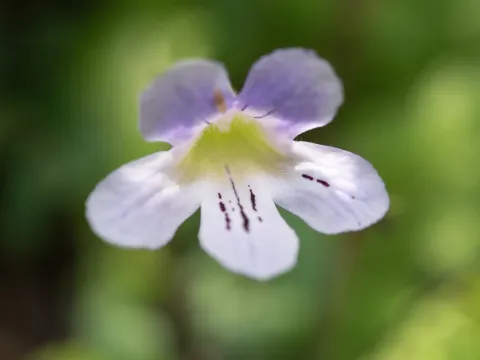
Saintpaulia
Saintpaulia
Saintpaulia, commonly known as the African violet, belongs to the Gesneriaceae family. Originating from the cloud forests of Tanzania and Kenya, this genus comprises small herbaceous perennials that are popular globally as indoor crops.
What the section contains
Saintpaulia
Successful cultivation requires stable temperatures between 20°C and 24°C. The plants are highly sensitive to thermal shocks and direct drafts, which can cause significant stress, foliage discoloration, and the inhibition of flower bud development.
Regarding light, Saintpaulia thrives in bright, indirect light. Prolonged exposure to intense sun will result in leaf scorching, while insufficient light leads to etiolation, where stems become long, weak, and the plant stops blooming entirely.
The potting medium must be highly porous and well-draining. A standard professional mix often includes peat moss combined with perlite or vermiculite, maintaining a pH level between 5.8 and 6.5 to facilitate optimal nutrient uptake.
Irrigation management is essential for this crop. It is best to water from the bottom, allowing the soil to absorb moisture through capillary action, which prevents water from splashing onto the sensitive leaves and causing crown rot.
The most common pests affecting Saintpaulia are cyclamen mites and mealybugs. These pests hide in the crown of the plant, damaging the young, emerging leaves and causing severe distortion of the foliage if left uncontrolled.
Powdery mildew is a prevalent fungal issue caused by poor air circulation and high humidity levels. It manifests as a white, powdery dusting on the leaves, which can be managed through improved ventilation and fungicide applications.
Root rot, typically caused by Pythium or Phytophthora species, is the leading cause of mortality in African violets. It is almost exclusively the result of overwatering or using heavy, non-aerated soil that traps excessive moisture.
Botrytis blight is a fungal infection that attacks the flowers and leaves, particularly during cool, damp conditions. Removing affected flowers immediately and maintaining good hygiene are critical steps in preventing an outbreak.
Pest and disease management relies on integrated strategies: regular inspection of the foliage, proper spacing to ensure airflow, and strictly following the recommended irrigation regimes to prevent environmental stressors.