
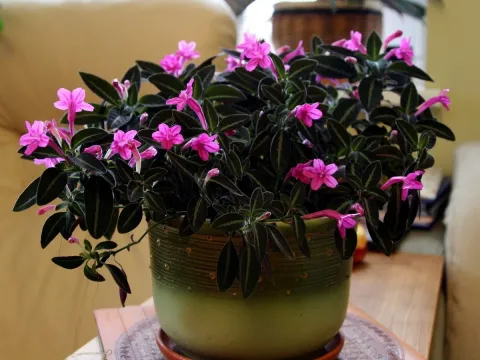
Ruellia graecizans
Ruellia graecizans
Propagation of Ruellia graecizans is most effectively achieved through vegetative methods, as seeds require specific environmental triggers for germination. The best time for taking cuttings is during the spring and summer when the plant is in its active growth phase.
What the section contains
Ruellia graecizans
For planting, use a light, well-draining substrate composed of a mix of peat and perlite or sand. Cuttings should be placed in a mini-greenhouse or covered with a plastic bag to maintain the high humidity necessary for root development.
When starting from seeds, sow them in late winter or early spring. Seeds should be sown superficially, lightly dusted with substrate, and kept at a stable temperature of 22–24 degrees Celsius.
Once seedlings develop their first true leaves, they should be pricked out into individual pots. Providing adequate light during the early growth stage is crucial to prevent the stems from becoming leggy.
As the plant grows vigorously, ensure timely repotting. The root system develops quickly, so moving the plant to a slightly larger container helps sustain healthy leaf production and flowering.
Ruellia graecizans belongs to the Acanthaceae family and originates from the tropical regions of South America. In its natural habitat, it thrives in warm, humid climates with filtered sunlight.
This plant has specific soil requirements. A loose, nutrient-rich potting mix consisting of leaf mold, loam, and inorganic additives like perlite or vermiculite provides the ideal medium for growth.
The temperature should remain stable, ideally between +18 and +25 degrees Celsius. Ruellia is sensitive to sudden temperature fluctuations and cold drafts, which often lead to premature leaf drop.
Regular but moderate irrigation is essential. The soil should remain consistently moist but not waterlogged, as poor drainage is detrimental to root health. Humidity should be maintained at 60–70 percent.
During the growing season, regular fertilization with a balanced, mineral-based fertilizer high in potassium and phosphorus supports long-lasting and vibrant blooms.
The primary pests affecting this crop in indoor or greenhouse environments are spider mites and mealybugs. These typically infest the plant when humidity levels drop or airflow is insufficient.
To combat spider mites, apply specialized acaricides, paying close attention to the undersides of the leaves. Regular misting and maintaining clean foliage are excellent preventative measures.
Root rot is the most serious disease associated with overwatering and cold soil temperatures. Symptoms include darkening of the stem base and sudden wilting of the foliage.
To prevent fungal infections, adhere strictly to a watering schedule and ensure that containers have excellent drainage. If root rot is detected, immediate repotting into fresh, sterile substrate is necessary.
In low-light conditions, Ruellia can be susceptible to powdery mildew, characterized by a whitish, dusty fungal layer on the leaves. Treatment involves the use of systemic fungicides and improved ventilation.