
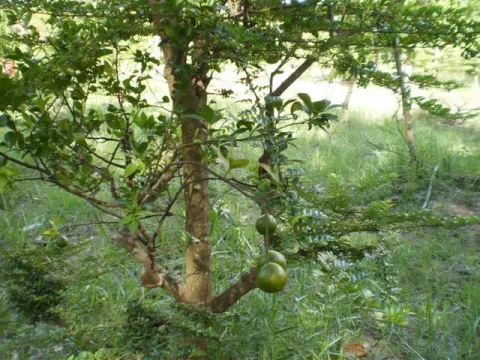
Citrus lucida
Citrus lucida
Citrus lucida is an evergreen plant belonging to the Rutaceae family. It is native to the tropical and subtropical regions of Southeast Asia, where it thrives in humid forest understories and forest edges.
What the section contains
Citrus lucida
This species requires well-drained, nutrient-rich soils with a slightly acidic profile. Proper drainage is essential to prevent the accumulation of moisture around the roots, which is vital for the health of all Citrus species.
The plant demands a warm and stable climate. Ideally, temperatures should remain consistently high, and the plant should be protected from frost and sudden cold snaps, which can cause severe physiological stress.
Botanically, it is known for its distinctive glossy, dark green leaves. The canopy is usually dense and rounded, and the plant produces fragrant white flowers that eventually develop into characteristic small, firm citrus fruits.
In terms of agricultural use, Citrus lucida is often studied for its genetic diversity and potential application in breeding programs, aiming to improve disease resistance in commercial citrus cultivars.
Common pests affecting Citrus lucida include citrus psyllids, aphids, and various species of scale insects. These pests feed on the sap and can spread viral diseases if not managed correctly.
Fungal issues such as melanose or citrus scab may occur in humid environments with poor air circulation. Improving spacing and pruning techniques can significantly reduce the incidence of these infections.
Phytophthora root rot is a major threat caused by overwatering or compacted soil. Maintaining a healthy soil structure and avoiding waterlogging is the primary defense strategy for growers.
Spider mites can become a problem during hot, dry periods, especially if the plant is kept in an enclosed area with low humidity levels. Regular misting and monitoring are highly recommended.
Integrated Pest Management (IPM) is the best approach to ensure plant health. This includes biological controls, such as introducing beneficial insects, and the judicious use of organic pesticides when necessary.