
Ruellia corzoi
Ruellia corzoi
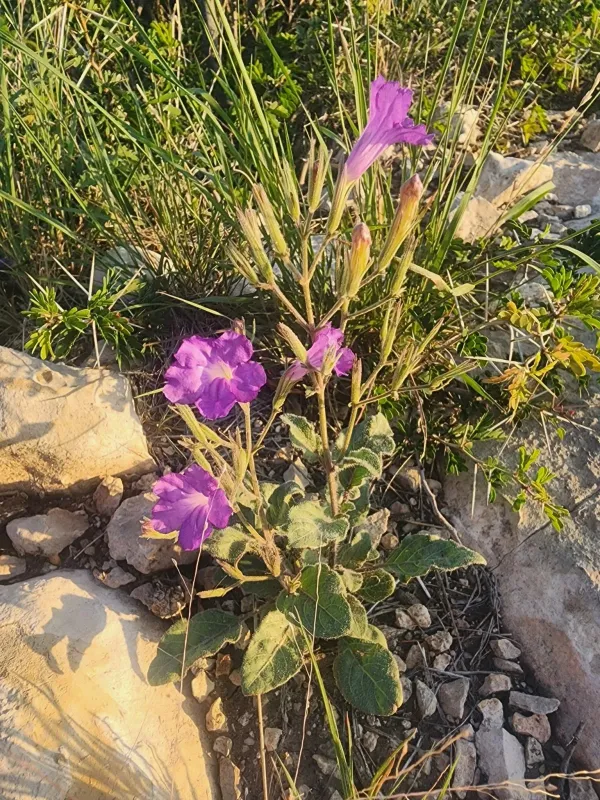
Description
Growing requirements
Ruellia corzoi is an herbaceous perennial plant belonging to the Acanthaceae family. Originally native to tropical regions of the Americas, this species is highly regarded for its aesthetic value and is commonly cultivated in controlled environments such as greenhouses or managed garden beds.
The plant requires a stable climatic environment with temperatures typically ranging between 20°C and 28°C to ensure optimal physiological development. It is highly intolerant to frost, making it suitable only for year-round warm climates or indoor production systems.
Soil requirements focus on well-draining, nutrient-rich substrates with an organic matter content that promotes root respiration. A pH range between 6.0 and 7.0 is ideal for nutrient uptake, and the substrate should be structured to prevent compaction during the growth cycle.
Moisture management is critical; while the crop prefers consistent soil humidity, it cannot withstand waterlogging. Irrigation systems must be designed to avoid direct wetting of the foliage in high-density plantings, which helps maintain the structural integrity of the plant.
Economically, Ruellia corzoi is utilized primarily in the horticultural sector. Its adaptability to varying light conditions—from partial shade to bright, filtered light—allows for flexible placement in landscaping or indoor commercial designs, supporting its popularity in the floriculture market.
Main diseases and pests
The primary pests affecting Ruellia corzoi include spider mites, which thrive in low-humidity conditions. These pests can rapidly infest foliage, leading to chlorosis and potential plant death if not controlled through appropriate miticide applications or environmental adjustment.
Whiteflies and aphids are also major threats, targeting the tender tips of shoots. Regular monitoring and the application of biological control agents, such as predatory insects, are effective strategies for maintaining population levels below the economic threshold.
Root rot, often caused by Pythium or Phytophthora species, remains the most significant threat to plant health in high-moisture production settings. Improving drainage and using sterilized growing media are essential components of an effective prevention strategy.
Fungal leaf spot diseases may occur when air circulation is inadequate, leading to persistent moisture on the leaves. Pruning overcrowded sections and ensuring proper spacing between individual plants can significantly reduce the risk of infection.
A proactive integrated pest management (IPM) program is essential for large-scale operations. This includes systematic plant scouting, sanitation protocols, and the selective use of fungicides or insecticides to maintain high crop quality throughout the production season.