
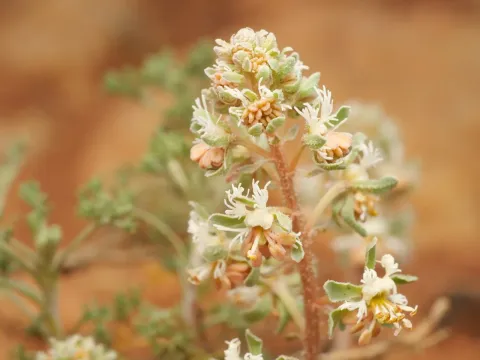
Reseda phyteuma
Reseda phyteuma
Reseda phyteuma is a resilient plant belonging to the Resedaceae family, typically grown as an annual or biennial in various agricultural and horticultural settings.
What the section contains
Reseda phyteuma
Seeds should be sown directly into the prepared seedbed in early spring, once the soil has warmed up and the danger of severe frost has completely passed.
The seeds require a shallow planting depth of approximately 1 centimeter to ensure adequate exposure to light, which is crucial for successful germination in this species.
Proper spacing is vital for the health of the plants, so seedlings should be thinned to an interval of 20 to 25 centimeters to allow for optimal air circulation.
When sowing in large batches, it is advisable to ensure the seedbed is free from major weeds to reduce competition for nutrients during the critical initial growth phase.
The plant thrives best in well-drained, alkaline or neutral soils, showing a particular preference for sites with good exposure to direct sunlight throughout the day.
While the species is relatively drought-tolerant once established, providing consistent, moderate moisture during the seedling stage significantly enhances overall vigor.
Soil structure should be kept friable to prevent compaction, which can impede root development and affect the plant's ability to access deep-seated water and nutrients.
Environmental conditions that mimic the plant's native Mediterranean-like habitats, characterized by mild moisture and warmth, are ideal for maximizing flower production.
Low levels of fertilizer application are generally sufficient, as excessive nitrogen can lead to lush vegetative growth at the expense of floral development.
Common issues affecting this culture include fungal infections like powdery mildew, which often occur in poorly ventilated areas or under excessively humid conditions.
Pests such as aphids and leaf-eating beetles can cause aesthetic and physiological damage, potentially weakening the plant if infestations are not addressed early.
Integrated pest management strategies, including the use of beneficial insects and natural deterrents, are highly effective in maintaining healthy plant stands.
Sanitation practices, such as removing infected debris and maintaining proper plant density, remain the primary defense against recurring disease problems.
Monitoring the undersides of leaves regularly during the growing season allows for early detection of potential threats before they reach critical levels.