
Sesamoides
Sesamoides
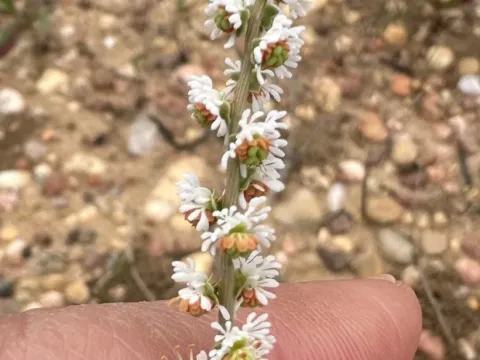
Sesamoides is a genus of herbaceous plants belonging to the Resedaceae family. These plants are typically found in Mediterranean regions, characterized by their adaptation to rocky and well-drained environments.
What the section contains


Sesamoides
Propagation is primarily performed through seeds, which often require cold stratification to break dormancy. Sowing should be timed for the early spring, ensuring temperatures are conducive to germination.
Due to the small size of the seeds, they should be sown on the surface of the soil with minimal covering. Pressing them lightly into the surface ensures the necessary contact for water absorption without preventing emergence.
Spacing between rows should be maintained at roughly 30-40 cm to allow for sufficient air circulation. Proper spacing is essential to reduce the risk of humidity-related diseases which this genus is sensitive to.
The establishment phase is critical, as seedlings grow slowly at first. Keeping the seedbed free of weeds is necessary to prevent competition for essential nutrients and sunlight during the plant's infancy.
Sesamoides thrives in areas with full sun exposure. It is a heliophilous plant that requires direct light for several hours a day to reach its full vegetative and reproductive potential.
Soil requirements focus on excellent drainage. Sandy or stony soils with a slightly alkaline pH are ideal. The plant shows poor tolerance for waterlogged conditions, which can lead to rapid root decay.
In terms of climate, the plant is well-adapted to Mediterranean patterns, preferring temperate conditions. It exhibits moderate drought tolerance once the root system is well-established in the soil.
Fertilization should be kept to a minimum as the plant has evolved in nutrient-poor environments. Over-fertilization, especially with nitrogen, tends to favor excessive vegetative growth at the expense of floral health.
Protection from severe winds is recommended for high-yielding plots to prevent lodging during the flowering period. Utilizing sheltered spots or natural barriers can enhance overall productivity.
Root rot is the most common pathology in Sesamoides, usually triggered by excessive moisture or compacted soil. Improving soil aeration and drainage is the most effective preventative strategy against such infections.
Aphids and mites are occasional pests that target tender shoots. Integrated pest management, focusing on biological controls or horticultural soaps, is preferred over broad-spectrum pesticides to preserve the ecosystem.
Slugs and snails can severely impact seedling survival during the rainy season. Protective measures such as copper tape or organic baits can be employed in susceptible areas to limit damage.
Powdery mildew represents a significant risk if the planting density is too high or if air circulation is obstructed. Regular thinning of the plants is essential to reduce the likelihood of fungal outbreaks.
Weed interference is the primary agricultural challenge. Since the plant competes poorly with aggressive grasses, regular mechanical cultivation and manual weeding are necessary to ensure the health of the crop.