
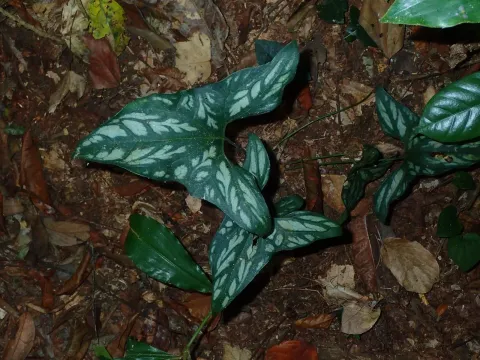
Rhektophyllum
Rhektophyllum
Rhektophyllum is a genus of perennial evergreen vines belonging to the Araceae family. Characterized by their unique foliage and climbing habit, these plants originate from the tropical rainforest regions of Africa, where they thrive in high-humidity environments.
What the section contains
Rhektophyllum
The climate requirements for Rhektophyllum center on high ambient humidity and consistent, warm temperatures. They are not cold-tolerant and generally require a controlled environment, maintaining a temperature range between 22 and 28 degrees Celsius throughout the growing cycle.
The soil structure must facilitate excellent drainage while retaining enough moisture to prevent root desiccation. A porous mix consisting of peat, orchid bark, perlite, and charcoal is recommended to mimic the natural epiphytic conditions these plants prefer.
Lighting conditions should be carefully managed, providing bright but indirect light. Direct exposure to intense solar radiation can cause leaf necrosis and physiological stress, so filtered light or partial shade is the preferred cultivation setting.
Cultivation practices involve regular misting or the use of humidifiers to maintain a moist atmosphere. Proper ventilation is also essential to ensure gas exchange and prevent the buildup of stagnant air, which could inhibit the growth of the vine.
The primary threats to Rhektophyllum include fungal pathogens that exploit poor aeration and overly saturated substrates. Root rot and stem rot are the most common issues that arise from improper irrigation schedules or poor drainage systems.
Insect pests, specifically spider mites and scale insects, frequently target these tropical vines. They typically colonize the underside of leaves or the junctions of stems, extracting sap and weakening the plant's structural integrity over time.
Thrips are also identified as a significant pest, particularly in greenhouses where humidity levels might fluctuate. They damage the leaf epidermis, leaving behind silver-colored streaks and stunted growth patterns that decrease the aesthetic value.
Effective management includes integrated pest management strategies, such as mechanical cleaning of foliage and the application of horticultural oils or specialized insecticides when pest populations exceed economic injury levels.
Preventative care, including the isolation of new specimens and maintaining optimal environmental parameters, is crucial to minimize the risk of recurring infestations and systemic disease outbreaks within a collection.