
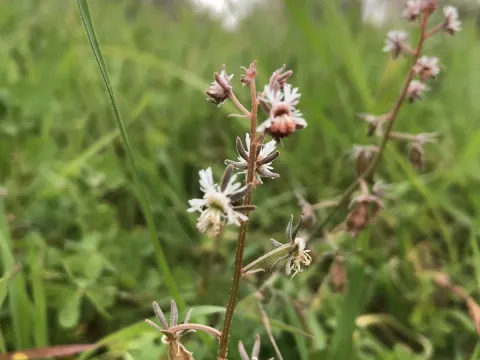
Reseda orientalis
Reseda orientalis
Reseda orientalis, known as orient mignonette, is an annual herbaceous plant belonging to the Resedaceae family. Sowing is typically performed in early spring, once soil temperatures reach 8-10 degrees Celsius, as the plant can withstand slight temperature drops after germination.
What the section contains
Reseda orientalis
For earlier production, winter sowing in late October is practiced. This allows the seeds to undergo natural stratification in the soil, ensuring faster and more uniform germination as soon as favorable spring temperatures arrive in the fields.
Seeds should be sown at a shallow depth of 1-1.5 centimeters. Due to their small size, proper seed-to-soil contact is essential, but it is equally important to avoid creating a hard crust on the soil surface, which could prevent the young sprouts from emerging successfully.
The recommended planting density involves maintaining row spacing of 30-40 centimeters. This provides sufficient space for the root system to develop and ensures proper airflow between the plants, which is crucial for reducing the risk of fungal infections.
Thinning the seedlings is a vital step performed at the two-to-three leaf stage. Keeping a distance of 15-20 centimeters between individual plants is necessary to prevent overcrowding, which would otherwise hinder growth and encourage disease development within the crop canopy.
This crop thrives in sunny locations with well-drained, light soils such as sandy loams. It has a high tolerance for different environments but performs best in climates that offer moderate humidity and a long, warm season during the active growth phase.
Soil pH should ideally be neutral or slightly alkaline. Reseda orientalis is highly sensitive to soil acidity, so liming is required if the soil is acidic to ensure optimal nutrient uptake and to prevent growth stagnation or chlorosis of the foliage.
Adequate soil moisture is necessary during the vegetative phase. While the plant shows some drought tolerance once established, consistent irrigation during dry spells is essential to maximize nectar production, especially when cultivating the crop as a honey plant.
Maintaining a weed-free environment is critical, especially during the early stages when the plants grow relatively slowly. Regular mechanical cultivation of inter-rows helps improve soil aeration and promotes healthy development of the root system.
Proper drainage is paramount for this species. Reseda orientalis cannot tolerate waterlogged conditions, which lead to root rot and other fatal conditions. Site selection should prioritize areas with naturally good drainage or artificial systems to manage excess rainfall.
The yield of Reseda orientalis depends heavily on the intended use. When grown for biomass or essential oil production, the output is measured by the total weight of the harvested aerial parts per hectare during the peak blooming period.
As a honey-producing crop, the species is valued for its long flowering period, which can last throughout the summer months. The quantity of nectar produced is influenced by climatic conditions, such as sunlight exposure and the overall fertility of the soil.
Harvesting for essential oils or botanical raw materials should occur at the stage of full bloom, when the concentration of secondary metabolites is at its peak. Delaying the harvest beyond this point can result in lower quality and altered chemical profiles.
Average biomass yields vary based on soil management practices and the use of fertilizers. On fertile, well-prepared soils, intensive cultivation methods can significantly increase the total harvest volume, improving the economic efficiency of the crop.
Seed production yields depend on the ripening efficiency of the capsules. Harvesting should be timed carefully when most capsules are brown to prevent natural shattering and seed loss, which is a common challenge for this specific plant species.
Crucifer flea beetles are the primary pests affecting Reseda orientalis, particularly during the seedling phase. These insects can cause significant damage to young leaves, requiring constant field monitoring and the timely application of appropriate insecticides.
Powdery mildew is a common fungal disease that affects the crop, especially under conditions of high humidity and poor air circulation. It manifests as a white, dusty layer on the leaves, which significantly inhibits the photosynthesis process.
Root rots are often caused by poor drainage and excessive moisture in the soil. These pathogens thrive in waterlogged environments, making careful water management and good soil structure the primary defense strategies for healthy crops.
Aphid infestations can occur on young flower stalks, leading to stunted growth and deformation. Integrated pest management, including the use of biological control agents, is recommended to mitigate the impact of aphids while preserving pollinator safety.
Crop rotation is the best preventive measure against the buildup of pathogens. It is advised not to return Reseda to the same plot for at least three to four years, which helps in breaking the life cycle of soil-borne pests and specific diseases.
Harvesting the aerial parts is done by cutting the plants at a height of 10-15 centimeters above the ground. Using mechanical harvesters allows for rapid collection, which is essential for maintaining the quality and freshness of the botanical material.
Immediate processing or drying of the harvested biomass is crucial to prevent self-heating. If left in piles, the fresh material can quickly degrade, causing a significant loss of volatile aromatic compounds and reducing the value of the final product.
When harvesting for seeds, the operation should be conducted in dry weather. The plants can be cut and left to dry slightly or threshed directly if the seed capsules are fully mature and show no signs of excessive moisture, ensuring higher shelf-life.
Seed cleaning involves the use of specialized sieving equipment to remove plant debris and dust. Proper cleaning is a prerequisite for long-term storage, as any impurities can absorb moisture and create a conducive environment for fungal growth.
Storage of the processed materials must take place in dry, well-ventilated areas away from direct sunlight. By strictly controlling these storage parameters, the biological and commercial quality of the Reseda harvest can be maintained for an extended period.