
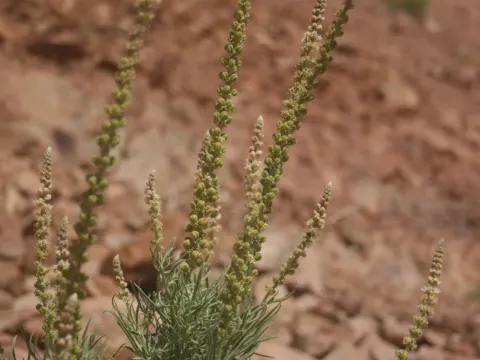
Reseda muricata
Reseda muricata
Reseda muricata is a member of the Resedaceae family, recognized for its adaptation to arid environments. As a crop, it represents a niche but interesting biological resource originating from regions across North Africa and Western Asia.
What the section contains
Reseda muricata
The sowing process is typically scheduled for early spring, once the danger of frost has passed and soil temperatures consistently stay above 10-12 degrees Celsius. Proper timing ensures a successful establishment of the crop before the heat of summer.
Seeds should be sown at a shallow depth of approximately 1 to 2 centimeters. Because of their small size, excessive soil cover can significantly reduce emergence rates and vigor.
The establishment phase is critical for Reseda muricata, requiring sufficient moisture to initiate germination. Once the taproot begins to develop, the plant shows remarkable resilience and capacity to seek water from deeper soil horizons.
Crop rotation is essential for maintaining soil health and preventing the buildup of species-specific pests. Rotating Reseda with cereals or leguminous crops provides a balanced nutrient management approach.
Reseda muricata thrives in environments with high light intensity. Shading should be strictly avoided, as it leads to weak, elongated growth and a drastic reduction in the concentration of bioactive compounds.
The soil should be light and well-drained, such as sandy loams, to prevent waterlogging, which the plant cannot tolerate. A neutral to slightly alkaline soil pH is considered ideal for optimal nutrient uptake.
Water requirements are relatively low after the plant is fully established, reflecting its native arid habitat. However, a steady supply of moisture during the vegetative stage is necessary to ensure robust biomass production.
Fertilization strategies should prioritize phosphorus and potassium, while limiting excessive nitrogen application. Over-fertilization with nitrogen often leads to rapid, lush growth that lacks the desired chemical potency.
Field preparation must focus on creating a fine tilth to facilitate mechanical operations. Keeping the field free from weeds during the first weeks is essential to avoid competition for limited resources.
The yield potential of Reseda muricata is evaluated based on the dry matter of the aerial parts and, in some cases, the total seed harvest. Harvesting should be performed during the onset of the peak flowering stage.
Secondary metabolites are highly concentrated in the tissues during the flowering period, making it the most suitable time for cutting the foliage. The harvested material should be processed immediately to prevent degradation.
Drying is a critical step in preserving the chemical quality of the harvest. It should be conducted in well-ventilated, shaded facilities where the temperature remains controlled to protect volatile aromatic compounds.
Seed production is an important secondary objective. Seeds should be collected when the capsules are mature and have achieved a firm, dry texture, ensuring that moisture content is low for storage.
Systematic sorting and calibration of seeds after harvest ensure high purity and vitality for the next planting season. Proper storage in cool, dry conditions is vital for maintaining seed shelf-life.
The primary threats to Reseda muricata crops include fungal diseases that flourish under conditions of high humidity or poor air circulation. Root rots represent the most severe risk to plant health.
Insect pests, such as aphids and leaf-eating beetles, may occasionally cause damage during the active growing season. Implementing integrated pest management strategies helps to keep these populations under control.
- Powdery mildew under high humidity.
- Aphid infestations on young, tender shoots.
- Root decay caused by poor drainage.
- Leaf spot diseases due to environmental stress.
Effective weed control is a preventive measure against both direct competition and the spread of pathogens that may harbor on wild vegetation. Regular mechanical inter-row cultivation is highly recommended.
Monitoring the fields on a weekly basis allows for early detection of any physiological or pathological abnormalities, ensuring that corrective measures are applied before economic losses occur.