
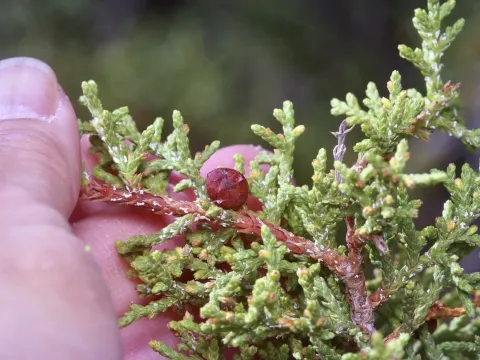
Red-fruited juniper
Juniperus erythrocarpa
Red-fruited juniper (Juniperus erythrocarpa) is a hardy member of the Cupressaceae family, known for its distinctive appearance and resilience. As an evergreen plant, it thrives in regions with diverse climatic conditions, showing remarkable adaptability to arid environments.
What the section contains
Red-fruited juniper
This species requires full sun exposure to maintain its structural integrity and foliage color. When planted in shaded areas, the plant tends to become sparse and loses its natural aesthetic appeal, making site selection crucial for commercial success.
The soil requirements are relatively modest; the plant prefers well-drained, sandy, or rocky substrates. It is essential to avoid sites prone to waterlogging, as stagnant water is a primary cause of root system decline in juniper species.
In terms of climate, the red-fruited juniper is highly frost-tolerant and can withstand significant seasonal temperature fluctuations. This durability makes it a robust candidate for landscape restoration and protective shelterbelt plantations.
General maintenance involves minimal intervention, focusing mainly on soil aeration and the removal of competitive weeds. Fertilization should be light and performed in early spring to encourage steady, healthy growth without over-stimulating the plant.
The economic value of the red-fruited juniper is largely derived from the harvest of its berries, which are utilized in the pharmaceutical, cosmetic, and food industries. These berries are known for their unique biochemical composition.
Harvesting is traditionally done by hand when the fruits reach peak maturity, as indicated by their characteristic color. Careful handling is necessary to ensure the harvest is free from impurities and debris while maintaining the vitality of the shrub.
Post-harvest processing involves air-drying the berries in a cool, dark, and well-ventilated environment. Proper drying techniques are vital to preserving the essential oils and active ingredients that define the quality of the raw botanical material.
Beyond berry production, the shrub is widely used in landscape architecture to provide structural form and year-round greenery. Its slow growth rate makes it a long-term investment for nurseries and specialty botanical farms.
Maintaining proper spacing between individual plants is crucial to ensure airflow through the canopy. This agricultural practice not only facilitates easier harvesting but also plays a key role in preventing the development of moisture-related diseases.
Rust diseases are among the most common threats, manifesting as fungal growths on the branches. Managing rust requires a combination of pruning affected areas and the application of appropriate fungicidal treatments during the growing season.
Root rot, often caused by poor drainage or excessive irrigation, can be fatal. Preventive measures such as choosing well-drained sites and managing soil moisture levels are the most effective ways to mitigate this risk for healthy juniper plantations.
Various insect pests, including spider mites and scale insects, may target the foliage and young shoots. Regular monitoring and integrated pest management strategies are recommended to keep populations below the damage threshold.
Environmental stress, such as extreme winter ice storms, can cause limb breakage. Periodic structural pruning helps maintain the plant's health, allowing it to recover quickly and develop new growth after any mechanical damage occurs.
Ongoing vigilance through routine field inspections is necessary for the early detection of pathogens. Maintaining a clean and balanced growing environment serves as the first line of defense in the sustainable management of juniper crops.