
Reseda jacquinii
Reseda jacquinii
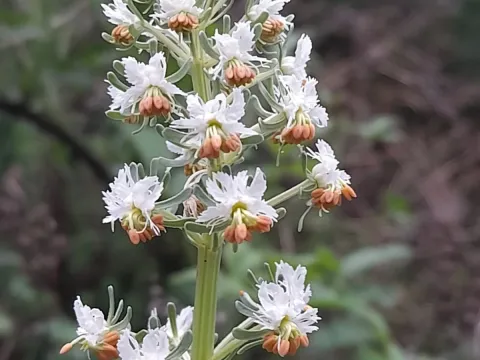
Reseda jacquinii, belonging to the Resedaceae family, is a herbaceous plant valued in specific agricultural sectors for its chemical and aromatic properties. It is well-adapted to Mediterranean-type climates and semi-arid regions.
What the section contains
Reseda jacquinii
Sowing is typically conducted in early spring once soil temperatures reach a stable 8–10 degrees Celsius. Due to the small size of the seeds, they require a shallow planting depth of approximately 1–2 centimeters to ensure adequate germination.
Adopting a wide-row planting strategy, with spacings of 45–60 centimeters, is recommended for this crop. This configuration facilitates mechanical weeding and optimizes air circulation, which is vital for plant health.
The plant shows high germination vigor, but early development stages are sensitive to weed competition. Proper field preparation and clean seedbeds are essential for achieving the targeted plant population density.
The seeding rate is usually between 3–5 kilograms per hectare, depending on local soil conditions and the mechanical planting technology employed by the farm.
This crop thrives in sunny, well-lit environments and shows excellent tolerance to drought once established. It is particularly suitable for regions where seasonal water scarcity is a limiting factor for traditional agriculture.
Light sandy or loamy soils with good drainage are ideal for Reseda jacquinii. The plant does not tolerate waterlogged or overly heavy clay soils, which can induce root rot and limit growth development.
Fertilization management should be conservative, focusing on a balanced ratio of nitrogen, phosphorus, and potassium. Excessive nitrogen can lead to rapid vegetative growth, which may decrease the yield and quality of the targeted aromatic compounds.
Regular maintenance of the field includes shallow cultivation between rows to prevent soil surface crusting and moisture loss. This also aids in maintaining a healthy root zone environment.
While the plant is hardy, it is sensitive to severe frost during the early budding stage. Protection from extreme weather conditions during the transition from vegetative to reproductive growth is crucial for yields.
The primary threats during the growth cycle include aphids and various Lepidoptera species, such as the Reseda white butterfly. These pests can significantly damage leaves and flower buds, reducing the photosynthetic capacity of the plant.
Fungal diseases like Fusarium wilt may occur in poorly drained soil or under excessive irrigation. Prevention involves selecting disease-resistant planting sites and monitoring soil moisture levels diligently.
Powdery mildew can be a challenge in high humidity environments. Integrated pest management, utilizing biological fungicides, is recommended to control infections without harming the quality of the essential oils.
Monitoring the fields for cutworms or other soil-dwelling larvae is necessary during the seedling stage. Timely detection allows for precision treatment, minimizing the environmental impact of crop protection measures.
Ensuring adequate crop rotation and field sanitation minimizes the buildup of soil-borne pathogens, contributing to better long-term yields for this specific crop variety.
Harvesting is performed at the peak of the full flowering phase when the accumulation of aromatic components is at its maximum. Timing is critical to ensure high-quality output for industrial processing.
The harvesting process involves cutting the inflorescences along with a portion of the stem. It is best to perform this operation in the morning after the dew has evaporated to maintain the concentration of essential oils.
Prompt transport of the harvested mass to processing or drying facilities is essential. Any delay can result in the loss of volatile oils due to enzymatic degradation and heat exposure.
Drying should take place in a shaded, well-ventilated space with controlled temperatures not exceeding 40 degrees Celsius. This preserves the structural integrity of the compounds and the final color of the raw material.
Following the drying process, the product is cleaned and packaged in airtight containers to protect it from moisture and ambient odors before it reaches the cosmetic or food processing facilities.