
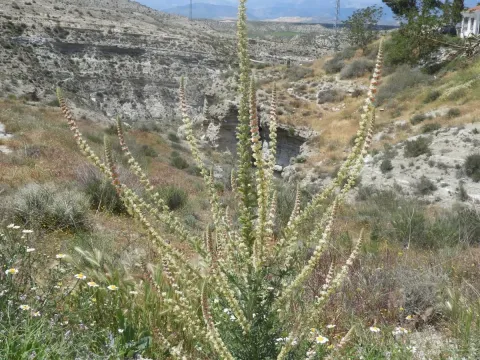
Shrubby mignonette
Reseda suffruticosa
Shrubby mignonette seeds are typically sown in open ground during spring, once soil temperatures reach 10–12 degrees Celsius. For early crop production, greenhouse sowing in March is acceptable, followed by transplantation into the field.
What the section contains
Shrubby mignonette
The sowing depth should not exceed 0.5–1 centimeter, as the seeds are highly light-sensitive and require shallow placement. Mixing the tiny seeds with fine sand is recommended to ensure even distribution across the field area.
An optimal sowing pattern utilizes rows spaced 30 to 45 centimeters apart, facilitating mechanized soil management. Seedlings generally emerge within 10–14 days, provided the substrate remains consistently moist.
Successful germination requires a loose soil structure, avoiding the formation of a surface crust which acts as a barrier for delicate sprouts. In arid climates, irrigation via sprinklers immediately after sowing is mandatory for establishment.
Resowing is possible in mid-summer to extend the growing season, though plants may struggle to reach full biomass maturity before the first autumn frosts in certain latitudes.
Reseda suffruticosa is a perennial subshrub belonging to the Resedaceae family, known for its significant adaptability to varying environmental conditions. The crop thrives in open, sun-drenched locations, as excessive shade diminishes the quality of the raw material.
The plant has moderate soil requirements but performs best in light, well-drained loams or sandy soils. It is highly sensitive to waterlogging, which can rapidly lead to root rot and systemic plant failure.
Optimal soil acidity for this culture falls within the neutral to slightly alkaline range (pH 6.5–7.5). In acidic soils, pre-planting liming is necessary to ensure adequate calcium levels for vigorous development.
Regarding climate, the plant exhibits relative drought tolerance; however, regular irrigation is required during the active growth phase to support high biomass yields. It is capable of withstanding mild, short-term temperature drops.
A crucial factor for success is proactive weed management during the early growth stages, as slow seedling development makes the crop vulnerable to competition from more aggressive local weed species.
The yield of shrubby mignonette is directly influenced by the intensity of agrotechnical measures, mineral nutrition levels, and the weather conditions of the season. On average, marketable green mass productivity can reach several tons per hectare.
The primary metric for production efficiency is the output of high-quality raw material suitable for processing or the extraction of bioactive components. High planting density and appropriate nitrogen fertilization levels promote intense stem branching.
Yield potential is significantly enhanced through the application of potassium-phosphorus fertilizers, which contribute to the strengthening of plant tissues and improve immune status against environmental stressors.
To achieve maximum production results, regular inter-row cultivation is necessary to stimulate root system respiration and optimize the uptake of nutrients from the soil profile.
For seed production, the final harvest yield is limited by the timing of collection and fruit maturity levels, necessitating dry-weather harvesting to prevent seed shattering in the field.
The primary challenge for this crop is fungal diseases affecting the root system, which develop readily under conditions of soil waterlogging. Special attention should be paid to phytophthora and various root rots that attack young shoots.
Regarding pests, leaf-eating insects and aphids pose the greatest threat, potentially spreading rapidly across plantations during hot, dry weather. Preventive treatments with biological insecticides allow for effective population suppression.
A critical point of concern is the risk of powdery mildew infection, especially when significant temperature fluctuations occur between day and night, weakening the plant and lowering its commercial quality.
Professional protection includes strict crop rotation management, as pathogens can accumulate in the soil if Reseda is grown on the same plot for multiple consecutive years.
Regular monitoring of crop status and the prompt removal of infected specimens allow for the containment of infections at early stages, minimizing potential yield losses on a commercial scale.
Harvesting of shrubby mignonette is performed during the peak flowering period, when the concentration of target compounds in the aerial parts of the plant reaches its maximum. At this stage, stems are most succulent and rich in essential oils.
Mechanical mowing of the green mass is conducted using specialized mowers, calibrated to a cutting height that avoids damage to the root crown of the perennial plant.
Post-harvest, the raw material must be dried immediately in well-ventilated facilities or specialized dryers at controlled temperatures to prevent mold growth and the degradation of active chemical components.
When grown for seed, harvesting is a two-stage process: first, the plants are mowed, and after drying, they are threshed using combine harvesters or stationary threshers, depending on the scale of cultivation.
Storage of the finished product requires strict adherence to temperature and humidity controls within warehouse environments to preserve the pharmacological and technical integrity of the harvested material until its final use.