
Reseda virgata
Reseda virgata
Description
Growing requirements
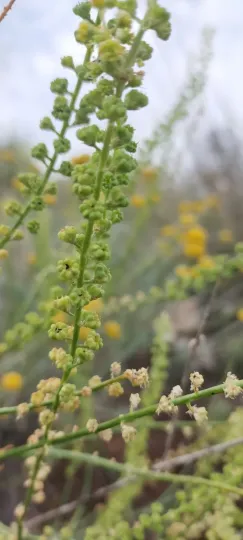
Reseda virgata, commonly known as twiggy mignonette, is a perennial herbaceous plant belonging to the Resedaceae family. Native to the Mediterranean region and parts of Western Europe, this species is well-adapted to rocky and sandy substrates where other crops might struggle.
Botanically, the plant is characterized by a strong taproot and upright, often twig-like stems. Its leaves are narrow and linear, adapted to minimize transpiration, which is a key physiological strategy for surviving in Mediterranean climates with long, hot summers.
Regarding soil requirements, Reseda virgata thrives in well-drained, porous soils. It has a high tolerance for alkaline conditions and prefers sites that are not prone to waterlogging. It is effectively a drought-tolerant crop once it has established its deep root system.
Climatic requirements involve full solar radiation for optimal growth and flowering. The species is highly sensitive to humidity levels; therefore, it performs best in regions with defined dry seasons that facilitate proper seed maturation and essential oil development.
In terms of usage, the plant serves both environmental and industrial purposes. It is a known nectar source, supporting pollinators, and historical records indicate its use in natural dye production, extracting pigments from its vegetative components.
Main diseases and pests
The primary threats to Reseda virgata cultivation are related to fungal pathogens, particularly root rot, which is triggered by excessive soil moisture and poor drainage. Ensuring optimal field aeration is crucial to prevent these soil-borne diseases.
Pests such as flea beetles and various caterpillars can cause significant damage to the leaf tissue during the early establishment phase. Regular scouting of the fields is recommended to determine the timing for any necessary interventions.
Integrated pest management strategies should focus on preventive measures, such as maintaining healthy crop spacing and using resistant cultivars if available. Minimizing the use of harsh synthetic pesticides is advised to preserve the local pollinator population.
Viral mosaic diseases, although less frequent, can occur and are typically transmitted by insect vectors like aphids or leafhoppers. Controlling the vector population through biological means is a standard recommendation for organic production systems.
Harvesting strategies should also consider the health of the plant. Over-harvesting or cutting during unfavorable weather conditions can weaken the perennial crown, making it more susceptible to subsequent infestations and environmental stress.