
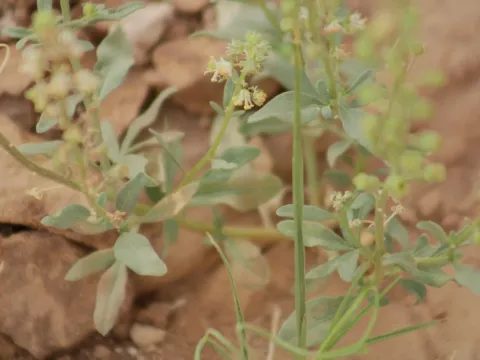
Reseda urnigera
Reseda urnigera
Reseda urnigera is a herbaceous plant belonging to the Resedaceae family. Sowing should be carried out in early spring when the soil has sufficiently warmed up, ensuring optimal conditions for seed germination.
What the section contains
Reseda urnigera
The seeds are relatively small and require shallow sowing at a depth of approximately 0.5 to 1 centimeter. Proper seed-to-soil contact is essential for uniform emergence in the field.
The recommended row spacing for commercial cultivation is 30 to 45 centimeters. This distance provides adequate space for plant development and facilitates necessary mechanical inter-row cultivation.
Thinning is a crucial procedure performed once the seedlings reach the two-leaf stage. Removing excess plants ensures that the remaining crop has enough space and nutrients for healthy vegetative growth.
Winter sowing is viable in regions with mild winters. This method utilizes natural soil moisture and allows for early-season plant establishment, contributing to stronger, more resilient crops.
Reseda urnigera thrives in full sun exposure. It is critical to select open field locations, as partial shade can negatively affect both plant development and essential oil concentration.
The crop prefers light, well-drained loamy soils. Excellent drainage is vital, as excessive moisture can lead to root rot and other physiological disorders that reduce plant vitality.
The ideal soil pH is neutral or slightly alkaline. If the soil is too acidic, applying lime a few months before planting can significantly improve overall plant performance and productivity.
Moderate but consistent irrigation is required during the active growth phase. While the plant exhibits some drought tolerance, water stress during flowering can significantly impact yield.
The optimal growth temperature range is 18–25 degrees Celsius. Sustaining these temperatures during the season is important for maximizing the accumulation of secondary metabolites within the plant.
Yield metrics for Reseda urnigera are highly dependent on harvesting timing and cultivation techniques. Maximizing biomass requires attentive care throughout the vegetative phase.
The highest concentration of valuable aromatic compounds is found during the full bloom stage. Harvesting at the peak of floral development ensures higher quality and greater economic return.
In standard commercial conditions, producers can expect a sustainable yield of 1.5 to 2 tons of dry raw material per hectare, provided that fertilization and pest management are well-executed.
Post-harvest handling is critical to preserve the plant's essential oil profile. Immediate processing or controlled drying is necessary to prevent the loss of volatile aromatic components.
The profitability of the crop is closely tied to its industrial demand in the perfume and pharmaceutical sectors. Consistency in output quality is the primary driver of economic success.
Fungal pathogens such as root rot and powdery mildew represent the primary biological threats. These are often exacerbated by poor field drainage and high plant density.
Insect pests like cruciferous flea beetles are common in the early growth stages. Integrated pest management strategies, including timely monitoring, are necessary to mitigate their impact on the crop.
Soil-dwelling insects, including wireworms, can damage the root system, reducing plant survival rates. Crop rotation and proper soil preparation are essential preventive measures.
Implementing a rigorous crop rotation cycle—avoiding Resedaceae plants on the same field for at least three years—is the most effective way to prevent soil-borne disease buildup.
- Frequent field scouting for pest activity.
- Sanitation measures to remove crop debris.
- Use of certified, high-quality seeds.
The harvest should be planned around the peak flowering period to ensure maximum oil content. The aerial part of the plant is typically cut 10-15 centimeters above the ground.
For seed production, the harvest is performed when the capsules are turning yellow and beginning to dry. Careful handling prevents excessive seed shattering in the field.
Drying must be conducted in a well-ventilated, shaded area to prevent damage from UV radiation. Controlling the temperature is essential to keep the oil quality intact.
The dried raw material should be stored in moisture-proof packaging in a cool, dark warehouse to maintain its industrial value over time until it reaches the processing facility.
Effective management of crop residues after harvesting is important for field maintenance. Incorporating remaining biomass can help improve soil organic matter levels for future cycles.