
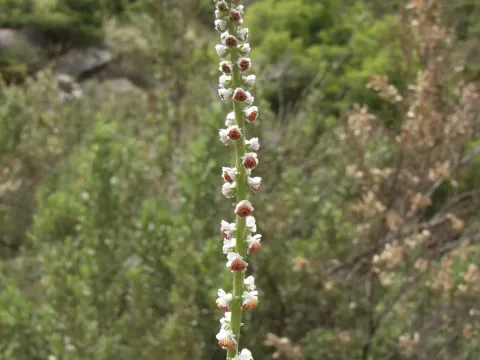
Reseda barrelieri
Reseda barrelieri
Reseda barrelieri, a member of the Resedaceae family, requires specific climatic conditions for successful establishment. Sowing should ideally occur in early spring, once the soil has warmed to at least 8–10 degrees Celsius, ensuring optimal conditions for seed germination and early development.
What the section contains
Reseda barrelieri
The seeds should be sown at a shallow depth of approximately 1–2 centimeters, as they are relatively small and require proximity to the surface to access light and warmth. A row spacing of 30 to 40 centimeters is recommended to allow for adequate airflow between plants.
After seeding, it is essential to lightly firm the soil to ensure proper contact between the seeds and the substrate. This practice prevents the seeds from drying out and promotes uniform emergence, which typically occurs within two weeks under favorable moisture levels.
Crop thinning should be conducted as soon as the first true leaves appear. Removing excess seedlings to maintain a distance of 15–20 centimeters between individual plants helps reduce competition for nutrients and ensures the development of robust, high-quality specimens.
In regions with milder winters, some producers opt for late-autumn sowing to leverage winter moisture. However, this strategy requires careful monitoring to prevent seed decay or damage from extreme temperature fluctuations during the dormant period.
This crop thrives in open, sunny locations where it can receive maximum solar exposure. Adequate sunlight is critical for the photosynthetic activity required to produce healthy biomass and stimulate the formation of high-quality flowering structures.
Regarding soil preference, Reseda barrelieri excels in well-drained, sandy-loam or loamy soils. It is particularly sensitive to waterlogging, making proper soil drainage a non-negotiable requirement for sustainable cultivation and root health.
The plant is known for its moderate drought tolerance, which makes it a resilient choice for regions prone to irregular rainfall. However, maintaining consistent soil moisture during the active vegetative and reproductive stages will significantly boost overall yield potential.
In terms of nutrition, the plant is not overly demanding but responds well to balanced phosphorus and potassium fertilization. Nitrogen applications should be managed carefully to avoid stimulating excessive vegetative growth, which can occasionally lead to lodging or reduced vigor.
The ideal temperature range for this species is 18–25 degrees Celsius. While it can withstand temporary heat waves, extremes in temperature can cause stress, highlighting the importance of selecting planting sites that offer a stable and favorable microclimate.
Fungal pathogens remain the most significant threat to Reseda barrelieri, particularly under conditions of high humidity or poor aeration. Root rot and mildew are common issues that arise when excess moisture persists around the plant base or within the canopy.
Insect pests, such as flea beetles, pose a major risk to young seedlings. These pests can rapidly defoliate a crop in its early development stages, necessitating diligent monitoring and the application of preventive measures such as early-season barrier protection.
Aphids can frequently colonize the inflorescences during the flowering phase. These pests not only extract vital plant sap but can also act as vectors for viral diseases, making timely intervention through biological control or insecticidal soap applications highly necessary.
Gastropods, including slugs and snails, are often problematic in moist seasons. Controlling their populations through perimeter management or physical barriers helps preserve the integrity of the foliage and prevents the loss of young plants.
Integrated pest management strategies are crucial for maintaining the health of Reseda barrelieri. By prioritizing crop rotation, weed suppression, and field sanitation, growers can significantly reduce the pressure from both diseases and common agricultural pests.