
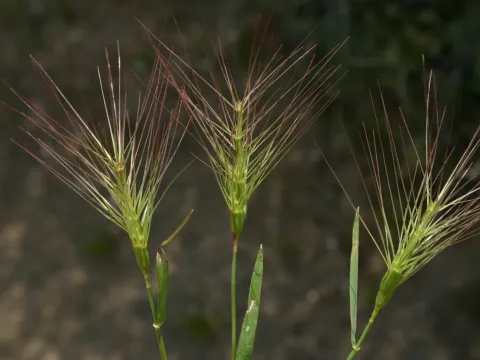
Kotschy's goatgrass
Aegilops kotschyi
Aegilops kotschyi is an undomesticated grass species that follows a natural autumn sowing cycle in its native habitats.
What the section contains
Kotschy's goatgrass
In experimental agronomic settings, seeds are typically sown in autumn to ensure the plants undergo proper vernalization.
The success of establishment depends heavily on soil moisture levels, which trigger germination following the first seasonal rains.
Appropriate seeding depth is crucial for healthy root system development in arid and rocky soil environments.
The early growth phase is characterized by slow development, necessitating effective weed control during the seedling stage.
This species belongs to the Poaceae family and is recognized for its significant role as a wild relative of cultivated wheat.
It thrives in semi-arid and Mediterranean climates, exhibiting remarkable resistance to intense heat and severe water stress.
The plant prefers well-drained, sandy, or rocky soils, showing an ability to colonize areas with poor nutrient availability.
Adequate sunshine is a requirement for biomass production, as the species is highly adapted to high-light environments.
The plant demonstrates poor performance in heavy or saline soils, where root respiration is inhibited by lack of drainage.
Common fungal diseases, such as leaf rust, may pose a risk to the plant during seasons characterized by uncharacteristic humidity.
Insect pests, including various aphids and stem borers, can impact the development of the spikes and reduce overall seed viability.
Aegilops kotschyi is highly valued for its robust resistance genes, which are frequently studied for improving modern wheat cultivars.
Root pathogens can affect the plant if grown in stagnant water conditions, potentially leading to weakened stalks and stunted growth.
Maintaining proper spacing is essential to reduce the micro-climate humidity that could favor the development of mold or blight.
The harvest period typically occurs in late spring or early summer as the grain reaches physiological maturity.
Careful manual or mechanical harvesting is required due to the fragile nature of the spikes and potential for seed shattering.
As a wild species, the timing of the harvest is critical to maximize the collection of mature seeds before they disperse naturally.
The grain must be dried thoroughly post-harvest to maintain long-term viability for future research or storage purposes.
Yield components in wild populations are generally lower than in commercial varieties, requiring careful handling to prevent loss.