
Lace grass
Eragrostis capillaris
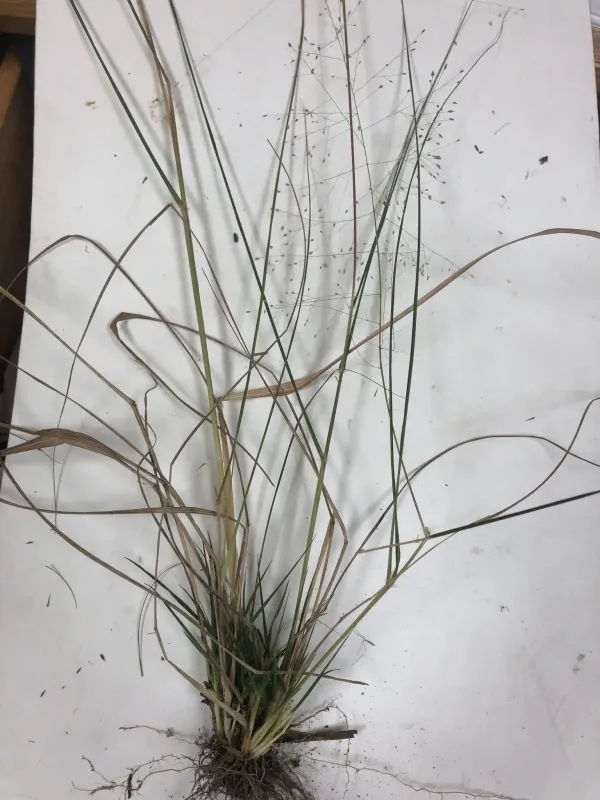
Description
Sowing dates
Lace grass, known scientifically as Eragrostis capillaris, is an annual grass species within the Poaceae family. It is recognized for its delicate structure and adaptability to varying environmental conditions across its native range.
The sowing process begins in late spring once soil temperatures are consistently above 12 degrees Celsius. Precise timing is essential for uniform germination, especially since the seeds are quite small and require shallow placement.
For optimal results, seeds should be sown at a depth of 0.5 to 1 centimeter. Proper seedbed preparation, including rolling, ensures sufficient soil-to-seed contact and improves moisture retention for the developing seedlings.
Row spacing should be maintained between 15 and 20 centimeters to allow for adequate ventilation and root development. This configuration helps in creating a dense stand that minimizes space for weed invasion.
As an annual crop, it completes its life cycle within one season. Therefore, early establishment is critical to maximize biomass production before the onset of extreme summer heat or late-season dormancy.
Growing requirements
Lace grass thrives in full sun and prefers well-drained, sandy or loamy soils. It is particularly well-suited for sites where soil fertility might be moderate, as it can adapt to lower nutrient availability.
While the plant exhibits significant drought tolerance, consistent moisture during the early vegetative stage is beneficial for establishing a robust root system capable of supporting further growth.
Poor drainage and waterlogged soils should be strictly avoided. The species performs poorly in areas where moisture remains stagnant for prolonged periods, as this can lead to root degradation.
Nitrogen fertilization is generally effective in boosting leaf production. However, practitioners should apply fertilizers cautiously to avoid encouraging excessive top growth that could lead to plant lodging during heavy rains.
The species is highly heat-tolerant, making it an excellent candidate for regions with hot summers. It continues its physiological activities even under temperature conditions that stress other common forage grasses.
Main diseases and pests
Rust diseases represent the primary pathological threat, particularly in humid or stagnant air environments. Adequate spacing and ventilation are the best cultural methods to prevent significant outbreaks.
Insect pests, such as aphids and certain grain-feeding insects, may occasionally infest young stands. Field scouting is recommended during the early growth phase to determine if intervention is necessary.
Weed competition is rarely a significant issue for established stands. Because of the plant's rapid early growth, it effectively shades out most opportunistic weed species after the initial emergence phase.
Root rot fungi can emerge in poorly drained soil environments. Proper management of field drainage and strictly avoiding over-irrigation are key components of a successful disease management strategy.
Overall, Eragrostis capillaris is considered a resilient species with few specialized pests. This low susceptibility makes it an attractive low-input option for certain agricultural and landscaping applications.
Harvesting
Harvesting for forage purposes is best timed during the heading phase, before the plant begins to set seed. This timing ensures the highest protein content and digestibility of the harvested material.
Mechanized harvest using standard mowing equipment is efficient for this species. To encourage potential regrowth, a stubble height of 5 to 7 centimeters is recommended during the initial harvest of the season.
Curing the hay effectively requires sunny weather to ensure quick moisture reduction. Given the fine texture of the grass, it dries relatively quickly, allowing for efficient baling and storage before nutrient loss.
Beyond forage, the plant is often utilized for soil stabilization on sandy, erosion-prone sites. Its fibrous root system effectively anchors the topsoil, providing a beneficial ecological service in fragile landscapes.
The stored hay is highly palatable to various types of livestock. Its balanced nutritional profile makes it a viable filler or primary component in supplemental feeding programs during the winter season.