
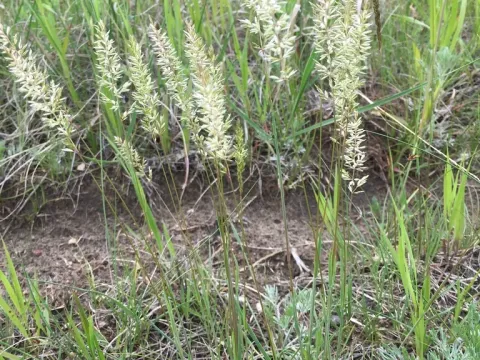
Koeleria
Koeleria
The optimal time for sowing Koeleria is early spring when soil moisture is sufficient for germination. Autumn seeding is also possible in specific regions to capitalize on winter precipitation.
What the section contains
 Crested hair grass
Koeleria spicata
Crested hair grass
Koeleria spicata
 Crested Hair Grass
Koeleria hirsuta
Crested Hair Grass
Koeleria hirsuta
 Koeleria australis
Koeleria australis
Koeleria australis
 Koeleria brevis
Koeleria brevis
Koeleria brevis
 Koeleria capensis
Koeleria capensis
Koeleria capensis
 Koeleria cenisia
Koeleria cenisia
Koeleria cenisia
 Koeleria crassipes
Koeleria crassipes
Koeleria crassipes
 Koeleria delavignei
Koeleria eriostachya
Koeleria eriostachya
Koeleria delavignei
Koeleria delavignei
Koeleria eriostachya
Koeleria eriostachya
 Koeleria hybrids
Koeleria hybrids
Koeleria hybrids
 Koeleria lobata
Koeleria lobata
Koeleria lobata
 Koeleria nitidula
Koeleria nitidula
Koeleria nitidula
 Koeleria pyramidata
Koeleria pyramidata
Koeleria pyramidata
 Koeleria talievii
Koeleria talievii
Koeleria talievii
 Koeleria vallesiana
Moldavian koeleria
Koeleria moldavica
Koeleria vallesiana
Koeleria vallesiana
Moldavian koeleria
Koeleria moldavica
 Shining Koeleria
Koeleria splendens
Shining Koeleria
Koeleria splendens
Koeleria
Due to the small size of the seeds, they should be sown at a shallow depth of 1–2 centimeters. Uniform seed distribution is essential for establishing a consistent and high-quality stand.
Rolling the soil immediately after sowing is a recommended agricultural practice to ensure optimal seed-to-soil contact. This step significantly improves germination rates in dry environments.
Initial growth of Koeleria is slow, requiring careful management during the seedling stage. Weed control is essential to prevent competitive species from suppressing the young plants.
When used in seed mixtures, sowing depth and timing must be adjusted to align with the developmental needs of the other grass or legume species included in the mix.
Koeleria (part of the Poaceae family) is a robust, cool-season bunchgrass known for its exceptional drought tolerance. It is well-adapted to semi-arid environments and poor-quality soils.
The grass thrives in well-drained, light-textured soils. It is particularly effective for restoration projects on sandy, gravelly, or rocky sites where other crops fail to establish successfully.
Koeleria is highly resistant to extreme temperatures, including severe winter frosts. Its native range spans across temperate regions, making it a reliable choice for sustainable forage production.
Poor drainage and waterlogged conditions are major limiting factors for this species. Sites selected for cultivation must have excellent aeration to promote healthy root system development.
While the plant is undemanding regarding fertilization, targeted phosphorous and potassium application can significantly boost seed production and general stand vigor during the growing season.
Koeleria is primarily utilized as a forage grass in livestock production. It is highly palatable and provides a nutritious food source for cattle, sheep, and other grazing animals.
Although it may produce less biomass compared to intensive pasture grasses, its stability and survival during dry years make it an invaluable component for resilient grazing systems.
Productivity levels vary depending on soil fertility and moisture, typically ranging from 1.5 to 2.5 tonnes of hay per hectare. It responds well to rotational grazing management.
The rapid regrowth of Koeleria after grazing makes it an ideal candidate for intensive pasture management. Its foliage maintains nutritional quality throughout the active growing period.
Beyond its forage value, Koeleria is used in landscape architecture for drought-tolerant turf. Its deep roots help prevent soil erosion on slopes and in reclaimed mine sites.
The species is generally resistant to most common diseases. However, in humid climates, powdery mildew can occur, which is best managed by maintaining appropriate planting density.
Pests such as grass flies and stem-boring moths can cause damage in outbreak years. Regular field monitoring and the use of integrated pest management strategies are advised.
Overgrazing is the most significant threat to Koeleria populations. Excessive pressure prevents the plant from storing energy in its roots, leading to a decline in stand density over time.
Rust fungi may affect the plant during years with abnormally high precipitation. timely mowing helps improve airflow within the canopy and reduces the risk of fungal spread.
Implementing proper crop rotation and thorough soil preparation before seeding are the best ways to minimize biological risks and ensure the long-term health of the crop.
Harvesting for hay should occur at the onset of the heading stage. This timing ensures the best balance between the yield of biomass and the nutrient density of the forage.
For seed production, harvesting should be performed as soon as the panicles show a straw-colored tint. Timing is critical to prevent seed shattering, which happens quickly upon maturity.
Mechanical harvesting equipment should be calibrated to minimize seed damage. Using a low drum speed during threshing is recommended to maintain seed viability for future sowing cycles.
Properly cured hay should be stored in a dry, ventilated area to prevent molding. Koeleria hay preserves its nutritional properties well when protected from excessive moisture.
Leaving a moderate stubble height after harvest helps protect the soil surface from wind erosion and captures snow during winter months, enhancing soil water reserves for the next year.