
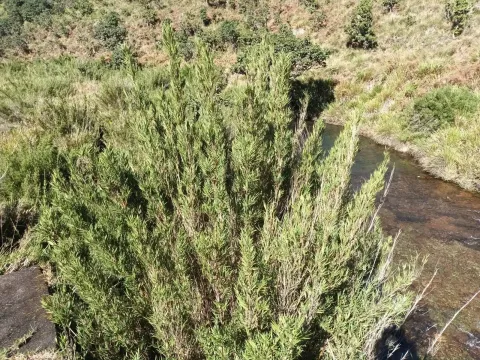
Kuruna
Kuruna
Sowing Kuruna starts when the soil temperature at planting depth consistently reaches +12…+15°C. In temperate climates, this typically occurs in late April or early May.
What the section contains

Kuruna
Moisture retention is crucial for successful germination, so sowing should be performed immediately after the soil reaches the optimal physical condition. Delayed planting often results in poor, uneven stands due to surface drying.
Seeds are sown at a depth of 3 to 5 centimeters. On lighter sandy soils, slightly deeper planting is recommended to ensure the seed has adequate contact with soil moisture.
The seeding rate is adjusted to achieve a target plant density of 400-500 plants per square meter, which provides the best balance between individual plant development and competitive growth.
Post-sowing rolling is highly recommended to improve the seed-to-soil contact, which significantly enhances the uniformity and speed of emergence under field conditions.
Kuruna performs best in fertile, well-drained loamy soils with a neutral pH. The crop is highly sensitive to waterlogging, making field selection with good natural drainage a top priority.
Being a sun-loving plant, it requires open areas with full sun exposure throughout the day. Insufficient light during critical growth stages results in weak stems and lower potential yields.
Moderate temperatures ranging from +20°C to +25°C are ideal for growth. While the crop has some tolerance, prolonged cold spells can disrupt the flowering and grain-filling phases.
Balanced mineral nutrition is essential for high performance. Nitrogen should be applied during tillering, while phosphorus and potassium are vital during the reproductive stage.
Effective weed management in the first month is critical, as Kuruna is slow to establish its canopy and can be easily overshadowed by aggressive weed species during the early vegetative phase.
With proper agronomic management and favorable weather, Kuruna yields typically range from 30 to 45 quintals per hectare. Results can fluctuate depending on soil quality and the regional climate.
Water availability during the flowering and grain-filling periods is the most significant factor influencing final yields. Drought stress during these phases can reduce harvests by up to 30%.
Optimal yields are achieved when following a proper crop rotation, ideally after legumes or winter grains. Using high-quality, certified seeds is one of the most effective ways to boost productivity.
Recent trends in Kuruna production include the application of foliar micronutrients like magnesium and boron to improve pollination and overall seed weight during the development process.
Stable production relies on consistent monitoring and timely intervention if environmental stressors, such as moisture deficiency or extreme heat, occur during the growing season.
The primary threats to Kuruna are fungal infections, particularly root rot and various leaf spot diseases, which can spread rapidly under high-humidity conditions and weaken the crop.
Insect pests, such as cutworms and cereal beetles, can cause significant damage to foliage and developing grains. Early detection through field scouting is essential for effective control.
Integrated pest management includes seed treatments with systemic fungicides and the strategic use of insecticides when pest populations exceed economic thresholds.
- Use of disease-resistant varieties.
- Strict adherence to crop rotation cycles.
- Thorough removal of crop residues to reduce pathogen overwintering.
Preventive maintenance, including the cleanup of field edges and proper herbicide application, significantly reduces the need for heavy pesticide usage during the season.
Harvesting is performed using direct combining when grain moisture levels drop to 14-16%. This stage minimizes the need for energy-intensive artificial drying after the harvest.
Proper timing is critical; the crop should be harvested as soon as it reaches full maturity to prevent yield losses from grain shattering. The straw should have turned a characteristic yellow-brown color.
Combine settings must be optimized to prevent grain cracking, which is especially important if the crop is destined for seed production or premium market use.
Post-harvest, the grain must be cleaned of weed seeds and chaff to prevent spoilage. Proper cleaning also makes the storage environment more stable by preventing local heating points.
Storage facilities should be cool, dry, and well-ventilated. Constant monitoring of grain temperature is necessary to protect against storage pests and fungal growth during the off-season.