
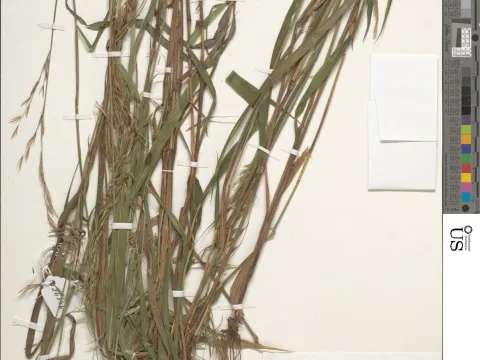
Koordersiochloa
Koordersiochloa
Koordersiochloa is a member of the Poaceae family, requiring precise conditions during the sowing phase to ensure optimal emergence. Proper site selection is the first step in successful cultivation.
What the section contains
Koordersiochloa
Sowing should be timed to coincide with soil warming to avoid damage from late frost. The planting depth must be carefully calibrated based on soil texture to provide the seed with essential contact.
Using high-quality seeds significantly reduces the risk of crop failure. The plant requires a well-prepared seedbed, free from weeds, to establish a strong early growth stage.
Spacing between rows should be consistent with local agricultural practices to allow for sufficient air circulation throughout the crop development cycle.
Initial irrigation might be necessary if rainfall is insufficient at the time of sowing, ensuring the soil profile has adequate moisture for germination.
This grass species thrives in well-drained soils and is highly sensitive to waterlogging. It is crucial to maintain a healthy root zone environment for the plant to reach its full potential.
The plant demonstrates a preference for sunny exposure, which is essential for biomass accumulation. Adequate light intensity supports the metabolic processes required for plant structural growth.
Regular fertilization, balanced in nitrogen, phosphorus, and potassium, is necessary for maintaining vigor. Soil testing should guide the application of specific nutrients during the season.
Climate adaptability is a notable feature, although stable temperatures remain the best condition for high-quality development of this specialized grass crop.
Implementing crop rotation cycles prevents nutrient depletion in the field, helping to maintain soil health for future planting seasons of the species.
Fungal diseases, often triggered by excessive humidity, are among the primary threats to Koordersiochloa. Proactive management includes maintaining adequate plant density and foliage health.
Insect pests, including various cereal-specialized flies, pose a challenge during the vegetative stage. Regular crop scouting is essential for early detection and mitigation of potential damage.
Integrated pest management strategies are recommended to reduce reliance on chemical inputs while effectively protecting the yield from common agricultural pests.
Birds and rodents can sometimes cause damage to the standing crop, requiring field observation and, if necessary, the use of deterrents to preserve the overall biomass.
Post-harvest storage must be managed carefully, ensuring the crop is dry to prevent the growth of molds and the degradation of structural quality over time.
Harvesting at the peak of the plant's nutritional value is critical for industrial or feed purposes. Timing depends on the moisture content of the foliage and stem development.
Mechanical harvesting equipment should be calibrated to avoid losses and ensure efficient collection. Uniformity in cutting height allows for better regrowth if the plant is managed for multiple cuts.
Immediately following the harvest, the material should be processed or dried. Proper handling ensures that the harvested quality is maintained throughout the storage period.
The logistics of the harvest involve coordinating machinery and transport to maximize output during the optimal window of favorable weather conditions.
Evaluating yield per hectare helps adjust future agricultural strategies, allowing farmers to optimize their management practices based on previous seasonal success.