
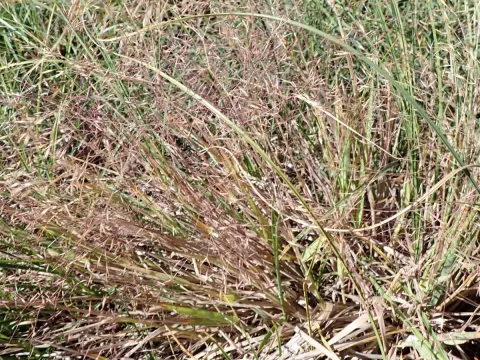
Lachnagrostis
Lachnagrostis
Sowing Lachnagrostis is best timed for the early spring when soil temperatures reach 8-10 degrees Celsius. Proper seedbed preparation is vital, as fine seeds require a firm, level surface to ensure consistent depth and optimal germination rates across the field.
What the section contains


Lachnagrostis
The seeding depth should be shallow, generally between 1-2 centimeters, to allow the small seeds to establish without expending excessive energy. Using a precision seed drill can significantly improve the uniformity of the stand and reduce the risk of seed waste.
In regions with milder winters, fall sowing is an option, providing the seedlings time to establish a robust root system before the onset of extreme temperatures. Adequate moisture must be available during the germination period to support early establishment.
The seeding rate must be calculated based on the purity and viability of the seed lot, as well as the desired density for the specific end use. Proper spacing ensures that individual plants receive enough light and nutrients to thrive during the vegetative stage.
Post-sowing rolling is a recommended practice to improve soil-to-seed contact and maintain moisture in the immediate vicinity of the seed. This simple mechanical step can be the difference between spotty emergence and a full, productive crop stand.
As a member of the Poaceae family, this crop prefers fertile, well-drained loamy soils. It performs best in soils with a near-neutral pH, avoiding areas that are prone to extreme compaction or prolonged waterlogging, which can impede root development.
Lachnagrostis thrives in open, sunny environments where it can maximize its photosynthetic capacity. Exposure to full sunlight is critical for the vigorous growth of the stems and the accumulation of high-quality biomass suitable for animal fodder.
Climate requirements include moderate precipitation during the peak growing season to support continuous growth. While the crop shows some resilience to minor dry spells, irrigation during prolonged droughts can stabilize yields and prevent stunting.
Nutrient management should focus on early-season nitrogen applications to encourage lush foliage development. Phosphorus and potassium are also necessary throughout the season to enhance structural integrity, preventing lodging and improving overall plant health.
Weed control is essential during the establishment phase, as the young grass seedlings are susceptible to competition. Integrated management strategies, including timely cultivation and crop rotation, help ensure that the crop dominates the field space.
Yield potential is highly dependent on the timing of harvests and the level of management provided. For high-quality fodder, the optimal harvesting window is at the very beginning of the heading phase, before the plants begin to lignify and lose nutritional value.
The crop is highly valued for its ability to regrow rapidly after mowing, facilitating multiple harvests throughout a single growing season. This high regrowth potential makes it an efficient choice for intensive forage production systems.
When used in pasture systems, controlled grazing is necessary to maintain the long-term health of the stand. Overgrazing can damage the growing points of the plants, so rotating livestock across fields is crucial for sustaining high yields over several years.
Yields can also be assessed by the quality and weight of the harvested biomass. Monitoring the protein content after each cut allows for the optimization of fertilization strategies, ensuring the soil remains productive throughout the crop cycle.
Seed harvesting should occur only after the plants reach full maturity to prevent premature shattering. Proper cleaning and storage of the seed lot are important steps in securing the next generation of healthy, productive grass stands.
Common fungal diseases, such as rusts and powdery mildew, can affect the crop under humid conditions or poor airflow. Maintaining appropriate plant density and allowing the field to dry out are key preventative measures against these pathogens.
Various insect pests, including stem borers and aphids, can cause significant damage if populations are not monitored. Early detection using traps or field scouting allows for targeted interventions, minimizing the need for chemical applications.
Root rots can be a serious issue in soils with poor drainage, emphasizing the need for site selection before planting. Healthy, well-drained soils act as a natural defense mechanism against many common soil-borne pathogens that thrive in wet conditions.
In some regions, small rodents and birds can pose a risk, particularly during the seedling stage or when seeds are maturing. Habitat management and simple protective barriers can effectively reduce the impact of these agricultural pests.
Consistent crop rotation is the most effective long-term strategy for interrupting the lifecycle of specialized pests and soil-borne diseases. By rotating with non-grass species, farmers can break the chain of infection and maintain a healthier ecosystem.