
Nesaea
Nesaea
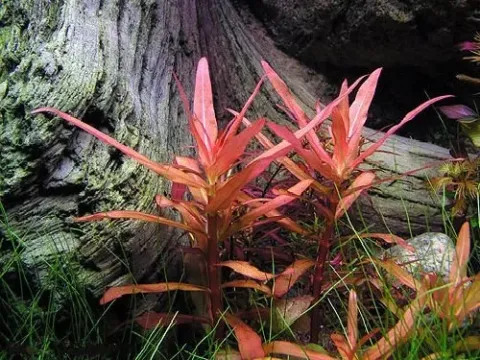
Nesaea is a genus of flowering plants belonging to the Lythraceae family. These plants are widely recognized in ornamental horticulture and the aquarium trade for their vibrant coloration and unique growth habits as perennial semi-aquatic herbs.
What the section contains


Nesaea
The genus originates primarily from tropical Africa, where species are commonly found along riverbanks, lakeshores, and in wetland environments. Their natural habitat is characterized by high humidity and constant access to water, which influences their physiological needs in cultivation.
Botanically, Nesaea species are known for their opposite leaves and distinct stem structures. Depending on the species and environmental conditions, the foliage can range from deep green to brilliant shades of red, copper, and orange, which makes them highly valued for aquascaping.
To thrive, Nesaea requires significant light intensity. Without sufficient light, the plants tend to lose their characteristic coloration and exhibit leggy growth patterns. Providing a balanced light spectrum is essential for maintaining the health and aesthetics of the plant.
Soil and water quality are paramount for successful growth. The substrate must be nutrient-rich, providing a steady supply of iron and essential trace elements, as the plant is highly sensitive to nutrient deficiencies and environmental fluctuations.
The most common physiological threat to Nesaea is chlorosis, typically caused by a deficiency in iron or other essential micronutrients in the substrate or water column. This results in pale or yellowing leaves and reduced vigor.
In humid greenhouse or paludarium environments, Nesaea is susceptible to spider mites, which can cause significant damage to the foliage. Implementing integrated pest management, including regular humidity monitoring, is crucial for plant health.
Root rot is a major risk, particularly in poorly drained substrates. Excess water stagnant around the root zone can invite fungal infections, leading to the rapid decline of the plant if the drainage is not optimized.
Environmental stress, such as sudden changes in temperature or water chemistry (pH levels), often causes the plant to shed its leaves prematurely. Stability is key to maintaining a healthy and resilient Nesaea specimen.
Algal blooms are a persistent threat in aquatic environments, where algae compete with Nesaea for light and nutrients. Keeping a balanced ecosystem and controlling the duration of artificial lighting are effective strategies to prevent algal dominance.