
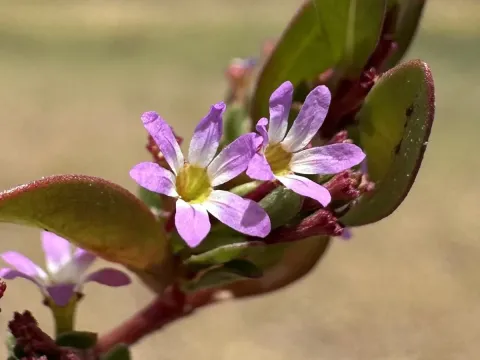
Lythrum sophiae
Lythrum sophiae
Lythrum sophiae belongs to the Lythraceae family and requires specific agronomic practices to ensure successful germination and establishment in the field.
What the section contains
Lythrum sophiae
The optimal time for sowing is during the late autumn period, as the seeds require a natural cold stratification process to break dormancy effectively.
If planting in the spring, seeds must be kept in moist conditions at temperatures between +2 and +5 degrees Celsius for at least one month before sowing.
Since the seeds are extremely small, they should be sown on the surface of the soil and covered with only a very thin layer of substrate.
When starting in containers, it is essential to maintain high humidity levels and provide sufficient light, as seedlings are quite delicate in the early stages.
This plant is naturally hydrophilous, thriving best in locations where soil moisture levels are consistently high throughout the growing season.
Lythrum sophiae prefers nutrient-rich loamy soils with a neutral pH, which support the development of its vigorous root system and tall stems.
Full sun exposure is highly recommended to encourage maximum flowering intensity and to prevent the stems from becoming weak or etiolated.
Regular irrigation is vital during periods of drought, as the plant does not tolerate prolonged drying out, which can lead to reduced biomass.
It is a hardy perennial, well-adapted to temperate climates, and can withstand significant winter temperatures without specialized protection.
The main commercial and agricultural applications of Lythrum sophiae include landscape beautification and support for local apiculture.
As a nectar source, it is highly valued by beekeepers due to its extended blooming season, which helps maintain colony vitality during summer.
In terms of medicinal utility, the plant contains active tannins and organic compounds that are traditionally harvested for herbal preparations.
The yield of green biomass depends significantly on soil fertility; incorporating organic fertilizers in the spring can significantly boost productivity.
Successful management of the crop involves selective harvesting to balance the immediate need for raw materials with the plant's long-term health.
While generally robust, the plant is susceptible to fungal infections like powdery mildew, especially in areas with poor air circulation.
Aphids can pose a risk during the peak of the growing season, clustering on the soft buds and stems to feed on plant sap.
Leaf-eating insects may also cause aesthetic damage to the foliage, which can be mitigated through integrated pest management strategies.
- Monitor for pests early in the season to prevent rapid spread.
- Ensure adequate spacing between plants to reduce humidity buildup.
- Use organic fungicides if fungal symptoms appear on the leaves.
Harvesting for medicinal or floral purposes should occur during the full blooming phase, which is when active compound concentrations are at their peak.
Stems should be cut precisely, leaving a healthy base of 10-15 cm to ensure that the plant can regrow effectively in the subsequent season.
Drying must be conducted in well-ventilated, shaded environments to preserve the integrity of the phytochemicals and the vibrant color of the flowers.
For seed production, flower spikes are collected once they turn brown, carefully managed to prevent the premature shattering of the seed capsules.
After threshing, seeds should be stored in a cool, dry environment to maintain maximum viability for the next planting cycle.