
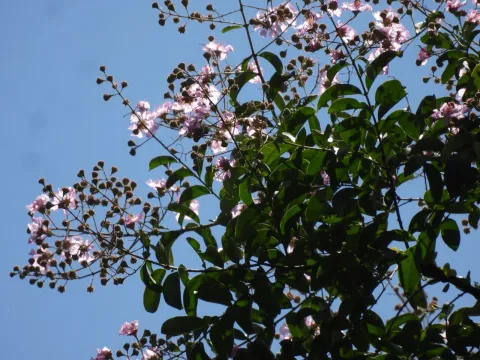
Oval-leaf crape myrtle
Lagerstroemia ovalifolia
Lagerstroemia ovalifolia, commonly known as the oval-leaf crape myrtle, belongs to the Lythraceae family. It is a visually striking woody plant prized in horticulture for its smooth, exfoliating bark and beautiful, showy flower clusters that appear during the growing season.
What the section contains
Oval-leaf crape myrtle
Native to the tropical regions of Southeast Asia, this species thrives in warm, humid climates with ample rainfall. It is intolerant of frost, which dictates its use as an outdoor tree in tropical and subtropical zones, while requiring protected indoor environments in temperate climates.
The ideal growing medium for this culture is a fertile, well-draining soil with a pH ranging from neutral to slightly acidic. Providing adequate organic matter within the soil profile supports robust root development and long-term vitality of the specimen.
As a highly light-demanding species, it requires full sun exposure to maintain its structural integrity and maximize its flowering potential. In shaded locations, the plant tends to become leggy and fails to produce the dense, attractive crown characteristic of the species.
Cultivation practices involve consistent watering schedules, ensuring the soil remains moist but never waterlogged. Fertilization with a balanced slow-release fertilizer during the active growth phase is recommended, alongside annual pruning to shape the canopy and encourage new floral growth.
Powdery mildew is a prevalent disease affecting Lagerstroemia species, particularly when humidity levels are high and air circulation is restricted. Keeping the canopy pruned for airflow is a key cultural practice in managing this fungal pathogen.
Aphids represent a common pest threat, frequently colonizing tender new growth and flower buds. Their feeding leads to the production of honeydew and can result in the development of sooty mold, which negatively impacts the tree's photosynthesis and overall health.
Spider mites can become problematic in dry conditions, causing foliage to yellow and drop prematurely. Regular inspections and the application of horticultural oils or specific miticides are recommended when environmental conditions favor mite population growth.
Root rot caused by overwatering or poor soil drainage is a significant threat to the plant's health. Ensuring that the planting site has excellent drainage is a fundamental requirement that must be addressed before or at the time of planting.
Implementing an integrated pest management strategy is essential for maintaining the vigor of the plant. Monitoring and early intervention are the most effective ways to manage threats and ensure the long-term ornamental value of the culture.