
Mahoberberis
Mahoberberis
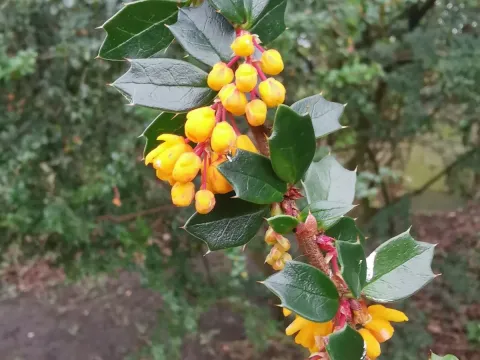
Mahoberberis is a unique intergeneric hybrid derived from the cross-pollination of Mahonia and Berberis genera, belonging to the Berberidaceae family. These shrubs exhibit interesting intermediate characteristics, often retaining semi-evergreen foliage and distinct thorny stems.
What the section contains
Mahoberberis
For optimal growth, Mahoberberis requires well-drained, moderately fertile soil with a neutral to slightly acidic pH level. It performs best in locations that provide plenty of sunlight, though it can tolerate partial shade in warmer climates to prevent leaf scorch.
The climate requirements for this shrub involve protection from harsh winter winds, which can damage the foliage. While relatively hardy, young plants benefit significantly from mulching and protective covering in regions where winter temperatures drop significantly.
Cultivation practices focus heavily on maintenance pruning. Because the plant is often used for ornamental hedges, regular trimming helps maintain the desired shape and encourages denser foliage growth, which is a key aesthetic feature of the species.
In terms of landscape utility, Mahoberberis serves as an excellent security barrier due to its dense, prickly habit. It is highly valued for its year-round structural presence in the garden and its adaptability to various soil conditions when properly established.
The primary pathological threats to Mahoberberis include powdery mildew and various forms of rust. These fungal infections are typically triggered by poor air circulation or excessive moisture around the leaves, necessitating preventative pruning and fungicide use.
Insect pests such as aphids and sawfly larvae often target the soft young growth of the plant. A regular monitoring program combined with targeted insecticide applications or biological control methods effectively manages these threats in a garden setting.