
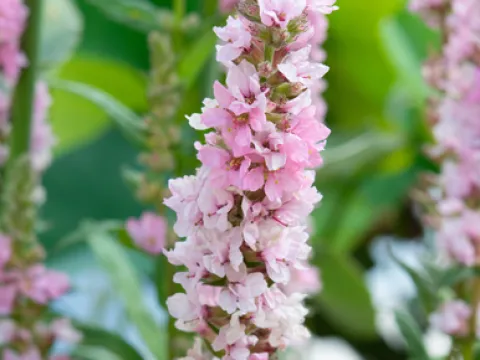
Lythrum hybrids
Lythrum hybrids
Propagation of Lythrum hybrids is best achieved through division of established clumps. This should be performed during early spring or autumn, allowing the roots to settle in the soil before the onset of extreme weather temperatures.
What the section contains
Lythrum hybrids
Seed propagation is possible, though it requires cold stratification to break dormancy. Seeds are very fine, so they should be sown on the surface of the growing medium and kept consistently moist until germination occurs.
When starting indoors, use high-quality seedling mix in late winter. Provide adequate light and maintain a temperature range between 18–22°C to ensure strong growth and healthy seedling development before transplanting.
Transplanting to the final garden location should only occur after the danger of late spring frosts has passed. Space individual plants at least 45–60 centimeters apart to prevent overcrowding and to promote healthy air circulation.
Once established, the plants will form dense, vigorous clusters. Periodic division every 3–4 years is recommended to rejuvenate the root system and maintain the plant's health and flowering intensity over the long term.
Lythrum hybrids belong to the family Lythraceae and are renowned for their preference for moist, fertile soils. They are naturally adapted to damp environments, making them an excellent choice for bog gardens or pond edges.
The primary environmental requirement for these plants is constant soil moisture. While they are resilient, they do not tolerate dry conditions well, and prolonged water stress will result in leaf scorch and reduced flower production.
They thrive in full sun, where they produce the most vibrant and dense spikes of flowers. While they can tolerate partial shade, their flowering performance may be less impressive, and stems might tend to sprawl toward the light.
Soil quality should be loamy or clay-based, rich in organic matter, to ensure nutrient availability. Adding compost or well-rotted manure during the initial planting phase helps create the ideal substrate for vigorous growth.
Maintenance involves cutting back the spent flower spikes to encourage a second flush of blooms. Before winter, the foliage should be cut down to near ground level to ensure the plant enters dormancy safely and remains protected.
Lythrum hybrids are generally robust and suffer from very few significant pests or diseases. However, in poorly ventilated or excessively humid conditions, powdery mildew can occasionally affect the foliage.
Pests like aphids may target the soft new growth or flower buds during the peak of summer. Monitoring these areas allows for early detection and manual removal or treatment before a large-scale infestation occurs.
Good cultural practices, such as maintaining proper spacing, are the best defense against fungal issues. Proper spacing prevents stagnant air pockets, which are a primary trigger for the development of fungal pathogens.
If chemical intervention becomes necessary due to pest pressure, use horticultural oils or insecticidal soaps as a targeted approach. These options are often effective against aphids while being safer for the surrounding garden ecosystem.
Keeping the garden bed free of weeds is also critical, as weeds can compete for nutrients and create micro-environments that harbor various pathogens. A clean garden surrounding the plants will ensure healthier growth throughout the year.