
Lumia
Itrus lumia
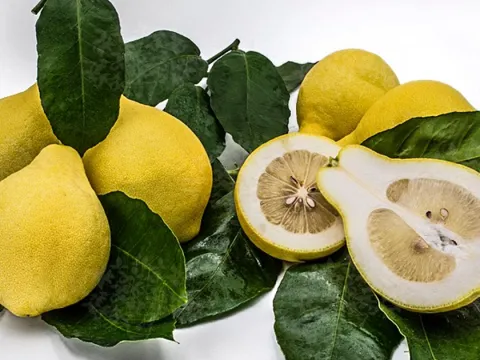
Lumia (Citrus lumia) is a hybrid citrus species belonging to the Rutaceae family. It is often referred to as the "pear lemon" because of its distinct fruit shape and thick, fragrant rind. The plant has a long history of cultivation in Mediterranean regions, where it is valued for its unique properties and aesthetic appeal in gardens.
What the section contains
Lumia
The climate requirements for Lumia are strictly subtropical. The plant thrives in areas with mild winters and long, warm growing seasons. It is highly intolerant to hard freezes; therefore, in colder regions, it must be grown in containers and moved indoors to conservatories or greenhouses during the autumn and winter months.
Soil quality is paramount for the health of Citrus lumia. It requires well-drained, porous soil that prevents waterlogging, which is a common cause of root rot. A mix consisting of loam, composted bark, and coarse sand or perlite creates an ideal root environment that supports vigorous vegetative development.
Agrotechnical practices involve consistent irrigation and a balanced fertilization schedule. During the growing season, a high-quality citrus-specific fertilizer rich in nitrogen and essential micronutrients should be applied regularly. Pruning is essential to maintain an open canopy structure, which improves air circulation and sunlight penetration.
Economically, Lumia is utilized primarily for its aromatic peel, which is rich in essential oils. These oils are extracted for the flavor and fragrance industries. While the pulp is sometimes consumed, its tart and occasionally dry texture makes it more suitable for processed applications such as marmalades, candied peels, and culinary zest.
The primary pests affecting Lumia include scale insects and spider mites. These pests can cause significant damage to the foliage and stems. Integrated pest management, including regular monitoring and the use of horticultural oils, is the most effective approach for control.
Fungal diseases, including root rot (Phytophthora) and various leaf spots, are common if environmental conditions are not managed correctly. Ensuring proper drainage and avoiding overhead irrigation can significantly reduce the risk of these pathogens affecting the plant's overall vitality.