
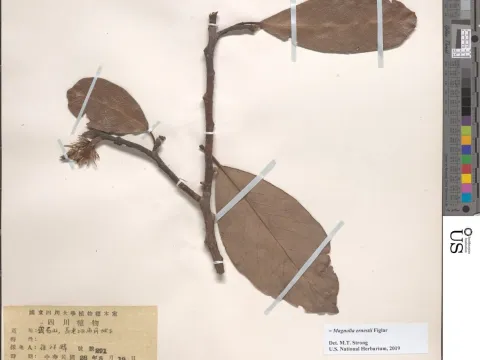
Magnolia ernestii
Magnolia ernestii
Propagation of Magnolia ernestii is primarily achieved through seeds or semi-hardwood cuttings. Seeds should be sown in autumn immediately after harvesting to allow for natural stratification throughout the winter months in open soil.
What the section contains
Magnolia ernestii
When propagating in containers, seeds require a cold stratification period of three to four months to break dormancy. Using a well-draining, peat-based mix ensures optimal moisture levels during the germination process.
Cuttings are best taken in late June or early July when the shoots begin to firm up. Applying rooting hormones to the base of the cuttings significantly enhances the survival rate and root development.
Transplanting seedlings to their permanent outdoor location should be done in early spring, once the threat of killing frosts has fully passed.
Maintaining proper spacing is essential to ensure adequate airflow, which prevents moisture accumulation around the developing root system and reduces the risk of damping off.
Magnolia ernestii is an ornamental tree from the Magnoliaceae family, native to the mountainous regions of China. It thrives in locations that are well-protected from strong, drying winds.
This species requires slightly acidic to neutral, well-draining soil. Enriching the planting site with organic matter helps provide the nutrients necessary for healthy foliage and flowering.
The tree prefers a spot that receives full sun to light shade, as intense midday heat can sometimes scorch the leaves if the soil moisture is not adequately maintained.
Regular watering is essential, especially during the establishment phase and periods of summer drought. The soil should remain consistently moist but never waterlogged to prevent root rot.
Mulching with pine bark or compost around the base helps maintain soil acidity and moisture, while also suppressing weeds that compete for nutrients.
Common fungal diseases such as powdery mildew and leaf spot are often prevalent in areas with high humidity and poor air circulation within the tree canopy.
Chlorosis is a frequent issue if the soil pH is too high, preventing the tree from effectively absorbing necessary micronutrients like iron, leading to yellowing leaves.
Pests such as aphids, scale insects, and spider mites can colonize the foliage, causing stunted growth and physical damage by extracting cell sap from the plant tissues.
Root rot caused by stagnant water is a severe threat to Magnolia ernestii, as the species relies on efficient oxygen exchange within the soil profile.
To manage these threats, integrated pest management practices should be followed, including the use of systemic fungicides and miticides, alongside routine inspections during the growing season.