
Nesaea brevipes
Nesaea brevipes
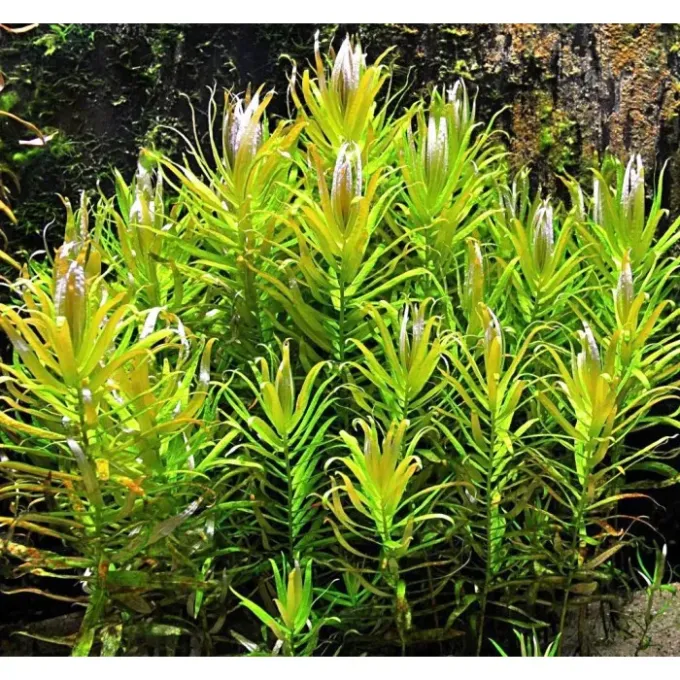
Description
Growing requirements
Nesaea brevipes is a delicate, stem-based aquatic plant belonging to the Lythraceae family. Native to the tropical wetlands of Africa, it has become a popular yet challenging species for advanced aquarium hobbyists.
This plant thrives in soft, acidic to neutral water conditions. The ideal pH level is between 6.0 and 7.0, and the water hardness should be kept low to mimic its natural, slightly mineral-poor habitat.
High-intensity lighting is non-negotiable for keeping this plant healthy. It requires 0.8–1 watt per liter of water to prevent etiolation, where the plant grows long, leggy stems with small, sparse foliage.
Effective growth requires consistent carbon dioxide injection along with a rich substrate. Fertilization is essential; Nesaea brevipes is particularly sensitive to iron deficiencies, which quickly manifest as pale, yellowish leaves.
The optimal water temperature range is between 22°C and 28°C. Providing a stable environment without sudden fluctuations in mineral content is key to keeping this species in peak condition for long periods.
Main diseases and pests
Algae infestations represent the primary threat to the health of Nesaea brevipes. Filamentous or black brush algae can quickly outcompete the plant for nutrients, particularly if the biological balance in the tank is disrupted.
Pests like invasive snails can damage the tender shoot tips. While often manageable, in high-density populations, these organisms can significantly hamper the regrowth of trimmed stems.
Improper substrate management can lead to root rot. If the substrate becomes anaerobic, the plant's roots will cease to function, causing the entire stem to lose its structural integrity and eventually wither.
Nutrient deficiencies, specifically regarding potassium and micronutrients, often lead to the development of black holes in the leaf tissue, known as necrotic spotting, which ruins the aesthetic value of the plant.
Stress caused by rapid water parameter changes often leads to the plant melting. To mitigate these risks, it is recommended to perform small, frequent water changes rather than large, infrequent ones.