
Lytocaryum
Lytocaryum
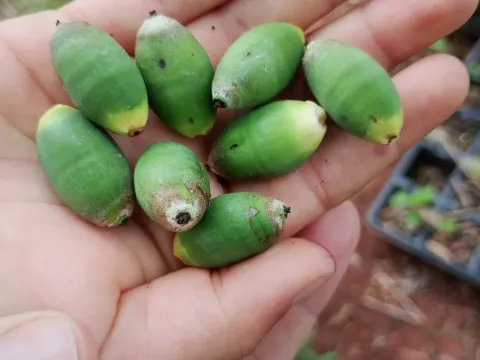
Lytocaryum is a genus of small, elegant palms belonging to the Arecaceae family. Native to the Atlantic coastal forests of Brazil, these plants are primarily found in the understory layer, where they thrive in shaded, humid environments.
What the section contains
Lytocaryum
Successful cultivation requires a stable microclimate characterized by high air humidity and temperatures ranging from 20 to 28 degrees Celsius. These palms are sensitive to harsh direct sunlight, which can scorch their delicate fronds, so filtered light is preferred.
The growing medium must be porous, well-draining, and rich in organic matter to mimic the natural forest floor conditions. Maintaining a slightly acidic to neutral pH is crucial for optimal nutrient uptake and root health.
Regular watering is essential, but the substrate must never become waterlogged, as poor drainage is the primary cause of decline for this species. Providing misting sessions or using a humidifier helps maintain the ambient moisture levels these palms require.
Due to their compact size, Lytocaryum species are highly sought after by botanical collectors and interior designers who specialize in creating sophisticated tropical displays within greenhouses or conservatories.
Spider mites are the most common pests that affect Lytocaryum, particularly in indoor environments where the air is dry and ventilation is insufficient. They can cause significant damage to the foliage if left unchecked.
Root rot, caused by overwatering or soil compaction, remains the most lethal threat to these palms. Proper aeration of the potting mix and a robust drainage system are essential to mitigate this risk.
Leaf spot diseases, often fungal in origin, can appear if the plant is subjected to poor air circulation and excessive foliage moisture. These infections can severely impact the aesthetic and physiological health of the plant.
Integrated pest management strategies, including the use of mild horticultural oils and systemic fungicides, are recommended to maintain plant vitality throughout the year.
Monitoring the plant for signs of stress, such as yellowing fronds or wilting, is vital for early intervention against both parasitic infestations and environmental-related fungal issues.