
Nesaea crassicaulis
Nesaea crassicaulis
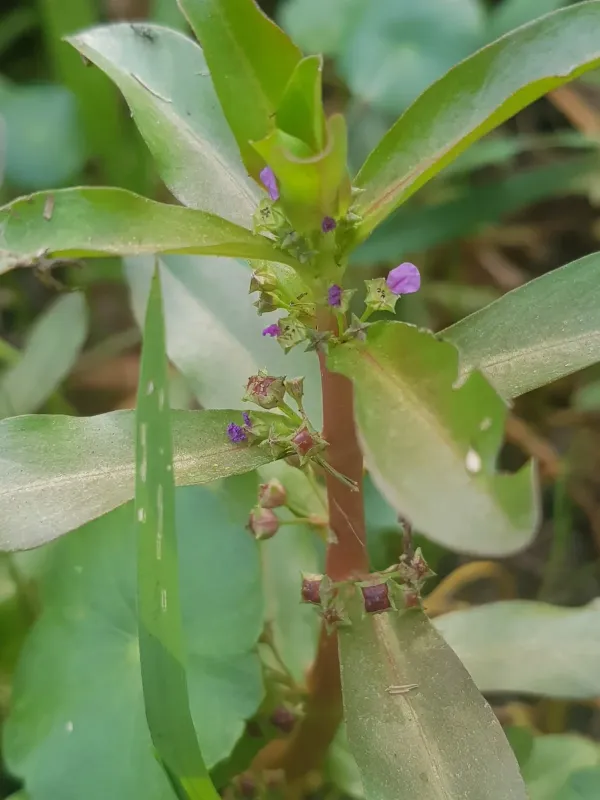
Description
Growing requirements
Nesaea crassicaulis is a beautiful aquatic plant belonging to the Lythraceae family, native to the swampy regions of tropical Africa. It is highly valued in the aquarium hobby for its distinctive thick stems and vibrant foliage that ranges from warm green to deep reddish-orange.
To successfully cultivate this species, high-intensity lighting is non-negotiable, typically requiring at least 0.5–0.8 watts per liter. A long photoperiod of 10 to 12 hours is essential to support the vigorous growth and rich coloration characteristic of a healthy specimen.
The plant thrives in soft, acidic to neutral water conditions with a pH range between 6.0 and 7.0. Supplementing the water with carbon dioxide (CO2) is highly recommended, as it promotes faster growth rates and better assimilation of essential nutrients from the water column.
Temperature management is another crucial factor, with an ideal range of 24–28 degrees Celsius. Keeping the water within these limits prevents the plant from going into a dormant state, ensuring continuous development throughout the seasons.
A nutrient-rich substrate is vital for root development. Using a high-quality aquatic soil fortified with clay particles allows the plant to anchor securely and absorb minerals effectively, which is critical for preventing stem fragility and ensuring overall vitality.
Main diseases and pests
Nutrient deficiency is the primary threat to Nesaea crassicaulis, frequently manifesting as yellowing leaves or a complete loss of coloration. An inadequate supply of iron, in particular, will quickly lead to the degradation of the plant's metabolic health.
Algae proliferation, including filamentous types, poses a significant risk by blocking light penetration to the leaves. This competitive pressure can starve the plant, weakening its immune system and making it susceptible to further environmental stress.
Poor water circulation and stagnant conditions often lead to root rot. When the substrate becomes compacted and lacks oxygen, the root system begins to decay, eventually causing the entire stem to collapse and break apart at the base.
Some aquarium inhabitants, such as certain species of snails or herbivorous fish, may graze on the soft tissues of the leaves. Such physical damage not only destroys the aesthetic appeal but also provides an entry point for opportunistic pathogens.
Effective management of these threats requires regular water changes, monitoring of water chemistry parameters, and meticulous cleaning of the aquarium environment. Maintaining a balanced ecosystem is the most reliable way to ensure the long-term survival of the species.