
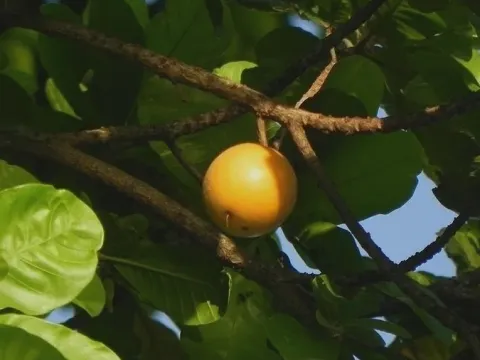
Lucuma
Lucuma
The propagation of lucuma (Pouteria lucuma) is mainly conducted through seeds or grafting onto rootstocks. Seeds must be planted immediately after extraction from the fruit, as they lose viability very quickly when dried.
What the section contains
Lucuma
The optimal time for sowing in nurseries is spring, when temperatures become stable and warm. The substrate should be light and well-draining to prevent the seed from rotting during the germination process.
Seedlings develop quite slowly, often taking 12 to 18 months before they are ready for transplanting into the field. Commercial cultivars are frequently propagated by grafting to ensure the consistency of fruit quality and shorten the time to first harvest.
Grafted trees typically begin producing fruit significantly sooner than seedlings, often yielding within three to four years. Proper spacing, usually at least 7 to 10 meters, is essential for the healthy growth of the tree canopy.
Establishing well-prepared planting holes enriched with organic matter is crucial for the successful survival and early development of the saplings.
Lucuma belongs to the Sapotaceae family and is native to the Andean valleys. It prefers cool and temperate climates, which makes it distinct from many other tropical and subtropical fruit crops.
The tree requires full sun exposure to thrive and develop high-quality fruit. While it can tolerate minor temperature fluctuations, it is sensitive to severe frost, which can damage tender branches and growth tips.
The culture is adaptable to various soil types, but it performs best in deep, fertile, and well-drained loams. Waterlogging is the most critical environmental threat, as it often leads to root rot and tree death.
Regular irrigation is necessary during dry seasons, especially for young trees. Once the root system is well-established, adult lucuma trees exhibit moderate drought tolerance.
Ideal soil pH ranges from 6.0 to 7.5. In commercial plantations, mulching is a common practice to maintain soil structure, moisture, and beneficial microbial activity.
The economic value of lucuma lies in its unique taste, which resembles a mix of maple syrup and sweet potato. The fruit is widely used in the food industry for ice cream, desserts, and bakery products.
Known as a superfruit, lucuma is rich in beta-carotene, niacin, and iron. It is most commonly exported as a finely milled powder, which serves as a popular natural sweetener in the health food market.
An adult tree can produce between 200 and 500 fruits per season, depending on the age of the tree, the cultivation intensity, and the local climate. Harvesting is usually staggered throughout the season.
After being harvested, fruits undergo a ripening process where they turn soft and sweet. This maturation happens off the tree, which facilitates better handling and storage management.
The global demand for healthy, plant-based sweeteners has driven the expansion of lucuma plantations in Peru, Chile, and Ecuador, showcasing its significant commercial potential.
The primary threats to lucuma trees include fungal diseases such as anthracnose and various types of root rot, which are often exacerbated by poor drainage or excessive humidity during the blooming period.
Common insect pests include fruit flies and scale insects. These pests can damage the skin of the fruit, reducing its marketability and increasing the risk of secondary infections.
Preventative measures include regular pruning to improve air circulation within the canopy, which effectively reduces the humidity levels that favor fungal growth.
Integrated pest management, including the use of traps and monitoring, is preferred over the widespread application of chemical pesticides in orchards.
Maintaining high sanitary standards in the orchard, including the removal of fallen or infested fruit, is essential to minimize the spread of diseases and maintain tree health.
Harvesting lucuma requires precision, as the fruit is prone to mechanical bruising. Fruits are generally harvested when they reach full size and show a color shift, even if they remain firm to the touch.
The ripening process is completed post-harvest in controlled environments. Careful handling during the gathering process is vital to keep the fruit intact for transport and processing.
Using pruning shears to cut the fruit stalks is recommended rather than pulling the fruit, as this prevents damage to the tree's productive buds for the next season.
In commercial operations, the harvested fruit is graded by size and appearance. A large portion of the harvest is processed into frozen pulp or dehydrated into powder for global distribution.
Efficiency in post-harvest logistics is critical, as once the lucuma reaches the ripe stage, its shelf life is relatively short, requiring immediate processing or cold chain management.