
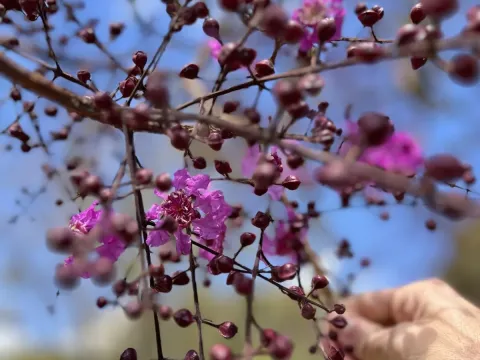
Physocalymma
Physocalymma
Physocalymma, specifically the species Physocalymma scaberrimum, is a tropical tree belonging to the Lythraceae family. It is native to the tropical forests of South America, with a significant distribution spanning across parts of Brazil, where it thrives in natural forest habitats.
What the section contains

Physocalymma
The plant requires a strictly tropical environment to develop, characterized by high levels of atmospheric humidity and consistent, warm temperatures throughout the year. It performs best on fertile, well-drained soil types, which are common in the lush, biodiverse regions of its origin.
Botanically, the species is distinguished by its robust growth habits and specialized leaf structures. It has adapted to survive within the complex competition for sunlight found in multi-layered tropical forest ecosystems, developing a strong and durable vascular system.
In terms of agricultural and forestry management, Physocalymma is not typically cultivated in large-scale orchards but is instead harvested from wild-grown populations. Sustainable management of these trees is crucial to ensure that their population remains stable amidst global demand for their timber.
The primary economic value of this tree lies in its highly sought-after wood, often referred to as Brazilian tulipwood or rosewood. Due to its dense texture, attractive color patterns, and durability, it is extensively used in fine woodworking, luxury furniture manufacturing, and decorative veneers.