
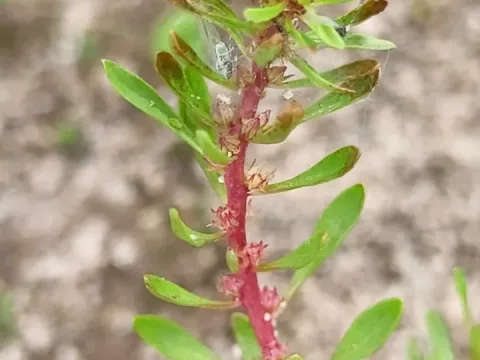
Lythrum volgense
Lythrum volgense
Lythrum volgense belongs to the Lythraceae family. It is a perennial herbaceous plant typically found in river valleys, wetlands, and along the banks of various water bodies in its native range.
What the section contains
Lythrum volgense
The plant thrives in moist, nutrient-rich soils with a neutral or slightly acidic reaction. Its root system is well-adapted to high soil moisture levels, often tolerating seasonal flooding in its natural habitat.
Sunlight exposure is essential for the healthy development of this species. Field cultivation should be located in open, non-shaded areas to ensure optimal growth rates and sufficient biomass production.
The climatic requirements include warm growing seasons with sufficient precipitation or artificial irrigation. The plant exhibits high resilience to the continental climate of its origin area.
Soil management practices should focus on maintaining consistent soil moisture. In drier periods, supplemental irrigation is necessary to support the flowering stage and plant health.
Common phytopathological threats include powdery mildew, which can spread rapidly under conditions of high humidity and poor air circulation within the plant canopy.
Root rot pathogens are a major risk in waterlogged soil conditions where drainage is insufficient. Such environments significantly hinder the metabolic functions of the root system.
Various insect pests, including leaf-eating beetles, may attack the foliage. Monitoring programs are critical to prevent widespread damage during the early stages of vegetation.
Integrated pest management strategies are recommended, focusing on maintaining field hygiene and promoting beneficial insect populations to control pest density.
Effective crop management, including weeding and thinning, is vital to ensure good air circulation, which naturally suppresses the development of fungal infections.