
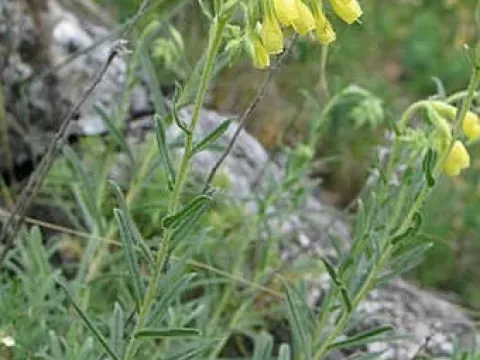
Lythrum flexuosum
Lythrum flexuosum
Lythrum flexuosum is a perennial herbaceous plant belonging to the Lythraceae family. Known for its distinctively zigzagged or flexuous stems, this species is highly valued in horticulture for its unique architectural form and attractive floral displays that characterize the genus Lythrum.
What the section contains
Lythrum flexuosum
The plant originates from the Mediterranean region, where it naturally inhabits damp environments such as wetland margins, riverbanks, and seasonal floodplains. Understanding this native habitat is essential for successful cultivation, as the plant remains highly dependent on moisture availability throughout its lifecycle.
In terms of soil requirements, this species thrives in moisture-retentive, heavy soils. It is particularly well-suited for clay-based substrates that do not dry out quickly. While it can adapt to various soil pH levels, maintaining a consistent moisture level is the most critical factor for the plant's health and development.
The plant requires full sun exposure to exhibit its characteristic growth habit. Insufficient light leads to etiolated, weak stems that lose their distinctive flexuous pattern. Planting in open, sunny locations ensures that the plant develops a sturdy structure and produces an abundance of blooms during the summer months.
Management practices include maintaining soil hydration and occasionally mulching to conserve moisture in the root zone. During the dormant season, pruning back old growth helps stimulate vigor and ensures that the new seasonal growth remains compact and healthy, preserving the plant's aesthetic appeal in garden settings.
The primary health issues for Lythrum flexuosum involve fungal infections, most notably powdery mildew, which can develop in stagnant, humid air. Ensuring good spacing between individual plants and allowing for proper airflow is a highly effective cultural method for preventing the onset of these diseases.
Pests such as aphids may congregate on young, tender buds during the early stages of the growing season. In professional landscaping or nursery conditions, managing these populations involves monitoring the underside of leaves and applying horticultural soaps or systemic pesticides if infestation levels exceed economic thresholds.