
Pemphis
Pemphis
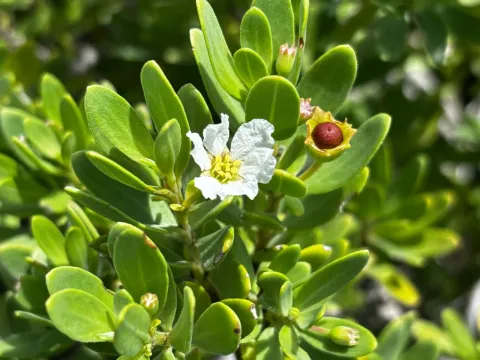
Pemphis, botanically identified as Pemphis acidula, is a unique member of the Lythraceae family. This evergreen shrub or small tree is native to the coastal regions of the Indo-Pacific, where it grows in limestone and sandy soils directly exposed to sea salt spray.
What the section contains

Pemphis
Biologically, Pemphis is highly adapted to harsh conditions, featuring small, succulent-like leaves and exceptionally dense, hard wood. These characteristics make it a prestigious specimen in the art of bonsai, as the plant can develop dramatic, ancient-looking trunks over time.
In terms of cultivation, Pemphis requires full sun exposure to thrive. Its natural habitat implies a high tolerance for heat and humidity, making it essential to maintain a warm environment for the plant throughout the year, as it lacks cold hardiness.
The substrate must be extremely well-draining, similar to its native coral rock environment. Gardeners often use mixtures of volcanic rock, sand, and gravel to prevent root asphyxiation, which is the leading cause of mortality in pot-grown Pemphis.
Regular maintenance involves precise watering routines. While the plant appreciates humidity, it requires periodic drying of the substrate surface to ensure adequate oxygenation of the root system, preventing the development of anaerobic conditions.
Pemphis is susceptible to common sap-sucking pests, particularly spider mites and mealybugs, especially when cultivated in restricted indoor environments. These pests can rapidly weaken the plant by feeding on the sap of its foliage and younger branches.
Root rot is the primary physiological threat caused by poor drainage or overwatering. Once the root system is compromised, the dense wood of the Pemphis often struggles to recover, making prevention through strict irrigation control the most effective management strategy.