
Nesaea angustifolia
Nesaea angustifolia
Description
Sowing dates
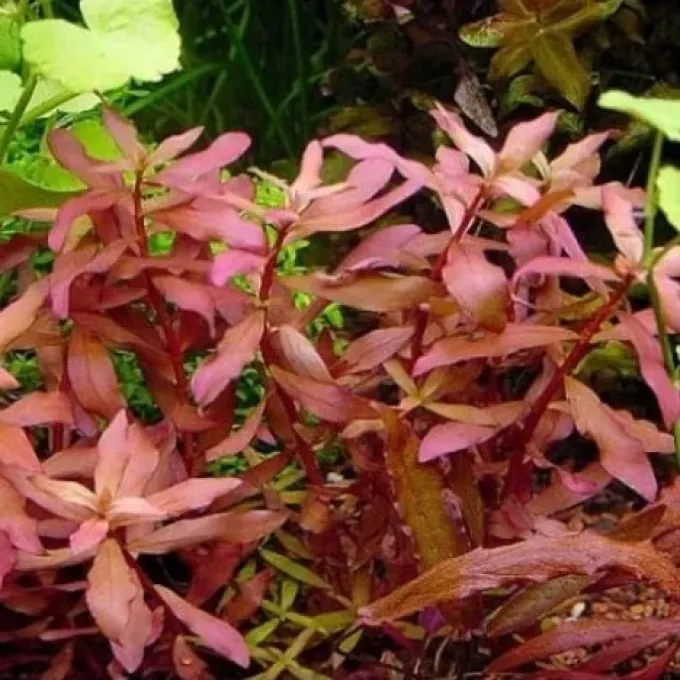
Nesaea angustifolia belongs to the Lythraceae family, a group of plants known for their aquatic and semi-aquatic growth forms. This plant is a popular choice for aquascaping and humid terrariums due to its unique slender leaves and vibrant coloration.
Propagation is primarily achieved through stem cuttings. Experienced growers select healthy, vigorous side shoots to ensure a high success rate. The cutting is then placed into a nutrient-rich substrate, typically composed of a fine mix of peat and inert sand.
During the rooting phase, maintaining high humidity is crucial. The plant cells must remain turgid for the root system to develop successfully within the first two to three weeks of cultivation in a greenhouse or propagation tank.
Spacing is essential during the planting phase to prevent overcrowding. Proper air and light circulation around the base of the plant help mitigate the risk of fungal growth and ensure that even the lower leaves receive sufficient light.
In industrial settings, tissue culture methods may also be employed to produce large quantities of uniform, disease-free seedlings. This approach allows for consistent plant quality, which is highly valued in the commercial ornamental plant market.
Growing requirements
The plant requires intense lighting to thrive. Providing 10 to 12 hours of high-intensity light daily is necessary to maintain the plant's characteristic reddish hues; otherwise, the leaves may turn pale or necrotic.
Temperature stability is vital for this species, with an optimal range between 24 and 28 degrees Celsius. Keeping the environment consistent prevents metabolic stress, which is often the primary cause of sudden leaf loss.
Soil and substrate requirements focus on acidity and nutrient availability. A slightly acidic environment (pH 6.0–7.0) is ideal for facilitating the uptake of micro-nutrients, particularly iron, which is essential for healthy pigmentation.
Water quality management is critical. The plant benefits from high-moisture environments and regular irrigation with mineral-balanced water. In submerged setups, the supplementation of CO2 can significantly accelerate growth rates.
The nutritional profile must be carefully managed. Excessive levels of nitrogen and phosphorus should be avoided to prevent opportunistic algae growth, which competes with the plant for light and essential nutrients.
Main diseases and pests
Bacterial and fungal infections are the most common threats to the plant's health, often caused by stagnant water or poor air movement. Proper sanitation and the removal of necrotic foliage are necessary preventative measures.
Pests such as aphids and spider mites can be problematic, especially in low-humidity or poorly managed greenhouse environments. These pests primarily target tender growing points, necessitating gentle intervention strategies.
Algal blooms are a significant indirect threat. If conditions favor algae over the plant, the foliage becomes covered in films, effectively suffocating the plant. Controlling the light-to-nutrient ratio is the best strategy for long-term health.
Nutrient deficiencies, specifically iron chlorosis, are frequently observed. The symptoms include yellowing of the leaf blades while the veins remain green, which can be corrected by adjusting the micronutrient content of the irrigation solution.
To ensure long-term sustainability, growers should implement a strict quarantine protocol for all new plant batches. This prevents the accidental introduction of pathogens into the main production area, ensuring the entire crop remains healthy.