
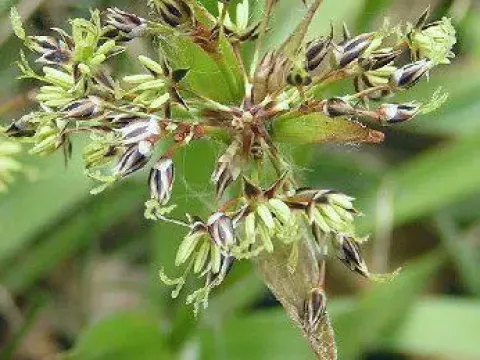
Italian woodrush
Luzula italica
Italian woodrush (Luzula italica) is a perennial herbaceous plant belonging to the Juncaceae family. Known for its grass-like appearance and structural foliage, it is a popular choice for gardeners looking for durable groundcover in shaded areas where typical turf grasses fail to thrive.
What the section contains
Italian woodrush
The plant originates from the Mediterranean basin, with its natural range including various forest ecosystems and moist slopes. It is biologically adapted to climates with mild winters and consistent moisture, reflecting its evolution in wooded, high-humidity environments.
Regarding environmental requirements, Italian woodrush prefers semi-shaded or filtered light conditions. Excessive exposure to direct sunlight can lead to leaf scorch and dehydration. In temperate gardens, placing it under the canopy of deciduous trees often provides the ideal lighting balance.
Soil preferences for Luzula italica involve humus-rich, slightly acidic, and well-draining substrates. While it enjoys consistent moisture, it is imperative to avoid waterlogged conditions, which can lead to rapid decay of the root system. Amending the soil with organic compost is highly recommended for optimal development.
In terms of agricultural and horticultural use, the Italian woodrush is primarily valued as an ornamental plant. It excels as a groundcover in woodland gardens, as an edging plant for shaded paths, and in ecological restoration projects aiming to stabilize soil on shaded embankments.
The Italian woodrush is generally robust; however, it remains susceptible to specific pathological threats when cultivated in improper conditions. Root rot is the most common issue, typically triggered by poor drainage or excessive stagnant water in the root zone.
Pest pressure is usually low, though populations of slugs and snails may pose a threat during prolonged wet seasons. Maintaining proper garden sanitation and avoiding overhead irrigation during peak humidity can effectively mitigate the risk of both pest infestations and fungal pathogen development.