
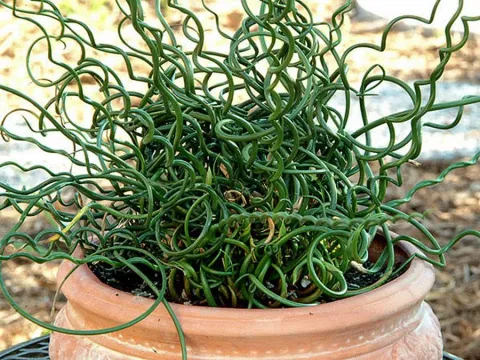
Hybrid rush
Juncus hybrids
Sowing of Juncus hybridus typically occurs in early spring once soil temperatures reach 10–12 degrees Celsius. It is crucial to maintain high soil moisture levels for the successful germination of these extremely tiny seeds.
What the section contains
Hybrid rush
In natural habitats, the plant reproduces mainly by seed, but vegetative division of rootstocks is commonly used in cultivation. The best time for division is at the beginning of the growing season or in late summer.
To establish dense stands, seeds should be sown on the surface without deep burying, as light is essential for germination. Covering the sown areas with horticultural fleece helps retain the necessary humidity for seedlings.
The planting density depends on the intended use, ranging from 10 to 20 plants per square meter for ornamental purposes or phytoremediation projects.
Seedlings emerge within 2–4 weeks. The early growth stage is critical, requiring close monitoring to prevent competition from faster-growing weeds, which can suppress the slow-growing rush.
Juncus hybridus, belonging to the Juncaceae family, is a typical hydrophyte that requires consistently saturated soils. It thrives best in marshy areas, along water bodies, or where the water table is high.
The plant prefers slightly acidic to neutral soils rich in organic matter. Peaty or silty substrates are ideal for promoting robust growth and high biomass production in industrial settings.
Rush is highly light-demanding; therefore, open sites with full sun are preferred. Insufficient light levels lead to elongated, weak stems and a significant decline in the plant's overall vigor.
The climatic requirements match its temperate origin, making the plant highly frost-hardy. It can withstand severe winter temperatures without requiring any protective measures for its root system.
While organic fertilization can enhance growth, excessive nitrogen application should be avoided as it may cause lodging of the stems, making mechanical harvesting difficult.
Biomass yield of hybrid rush is highly dependent on soil saturation levels and nutrient availability. In well-managed wetland meadows, the crop can provide sustainable harvests over several consecutive years.
Commercial utilization includes the production of technical fibers used in weaving, mat-making, and textile manufacturing. Quality depends on the timing of the harvest and the plant's growth conditions.
The biomass serves as a valuable organic amendment for composting, as the carbon-rich stems improve soil structure. It decomposes slowly, providing long-term benefits to soil health.
There is growing interest in using this plant for wastewater treatment and bioremediation. In these systems, yield is defined by the plant's capacity to accumulate heavy metals and pollutants from the water.
Economic viability is typically highest in multi-functional land-use projects where biomass production is combined with ecological restoration services.
The primary threats are fungal infections that thrive in stagnant, humid environments. Rust and leaf spot diseases can significantly degrade the quality of the harvested stems if left unchecked.
Insect pests, such as aphids and various weevils, often target the succulent young shoots. Integrated pest management, including periodic monitoring and targeted treatments, is essential for large-scale operations.
Competition from aggressive aquatic weeds during the establishment phase is a major challenge. If not controlled, weeds can easily overwhelm the rush, leading to crop failure in young plantations.
Prolonged drought periods can stress the plants, making them susceptible to root rot pathogens. Maintaining a stable water level is the most effective preventative measure against these diseases.
Field sanitation, including the removal of dead plant debris, is recommended to minimize the pathogen load in the soil and prevent the carry-over of infections into the next season.
Harvesting for technical fiber is best conducted during the late vegetative phase when the stems are mature and structurally robust. This period usually coincides with late summer.
Harvesting methods range from manual cutting for smaller patches to mechanized mowers for larger commercial plantations. The cutting height should be adjusted to allow for rapid regrowth.
Freshly cut biomass must be dried immediately to prevent mold and decay. Drying in windrows with regular turning ensures even ventilation and preservation of fiber quality.
If the rush was cultivated for environmental remediation, the harvested biomass must be handled and disposed of according to specific safety protocols due to the potential concentration of pollutants.
Stored fiber should be kept in well-ventilated, low-humidity storage facilities to maintain the material's physical integrity and prevent degradation prior to industrial processing.