
Juncus brachyspathus
Juncus brachyspathus
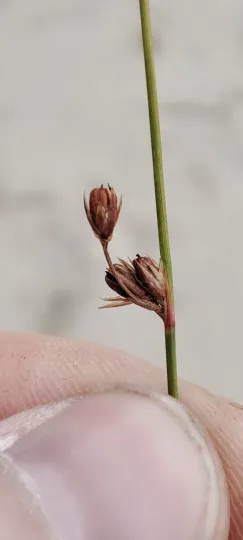
Description
Growing requirements
Juncus brachyspathus is a member of the Juncaceae family, commonly known as the rush family. This perennial herbaceous plant is naturally adapted to wetland ecosystems, thriving in environments where other crops struggle due to saturated soil conditions.
The plant demonstrates significant biological resilience to anaerobic soil environments. Its root structure is specialized for gas exchange, allowing it to maintain metabolic processes in low-oxygen, waterlogged substrates typical of swamps and riverbanks.
Regarding climate requirements, this species favors temperate regions with high moisture availability. It is sensitive to prolonged drought periods and requires constant water access for optimal development and reproduction.
Soil preferences lean towards nutrient-rich organic soils, such as peat or heavy silt deposits. It can withstand a broad range of pH levels but prefers slightly acidic to neutral environments for maximum biomass production.
Proper establishment involves maintaining high water levels during the initial growth phase. Once the root system is established, the plant becomes highly tolerant of water fluctuations, provided that the soil does not dry out completely.
Yield
The agricultural and economic utility of Juncus brachyspathus is primarily focused on environmental services. It is an excellent choice for phytoremediation projects and stabilization of riparian zones in agricultural landscapes.
While not a traditional forage crop, it can produce significant amounts of biomass that may be harvested for specialized industrial uses or as supplemental material for mulching and composting in sustainable farming systems.
Yield metrics for this species are often evaluated by its ability to accumulate nutrients or heavy metals from wastewater. In such systems, the plant acts as a biological filter, effectively improving water quality.
Harvesting strategies should prioritize the structural integrity of the root mat. Selective harvesting of aerial parts allows for repeated use of the planting site over several seasons without requiring complete re-seeding.
Economic value is often generated through ecosystem service payments rather than direct harvest of the plant matter. However, its role in preventing soil erosion on agricultural borders is an indirect but substantial benefit to farmers.
Main diseases and pests
Juncus brachyspathus shows strong inherent resistance to standard agricultural diseases. Its high silica content and thick cuticular layers make it a poor host for many common fungal pathogens and bacterial infections.
The primary threat to the crop is the modification of hydrological conditions. Converting a wetland area to dry land, or excessive drainage, will cause immediate physiological stress and eventual collapse of the plant population.
Insect pests are generally not a limiting factor for this species. However, competition from aggressive weed species remains a major challenge during the early seedling stage when the plant is most vulnerable to resource competition.
Environmental changes, such as the introduction of invasive non-native plant species, can threaten existing stands of Juncus brachyspathus by outcompeting them for space and nutrients in disturbed habitats.
Maintenance of healthy stands requires periodic monitoring for signs of stress, such as leaf yellowing, which usually indicates either a drastic change in water quality or a deficiency in essential minerals in the soil.