
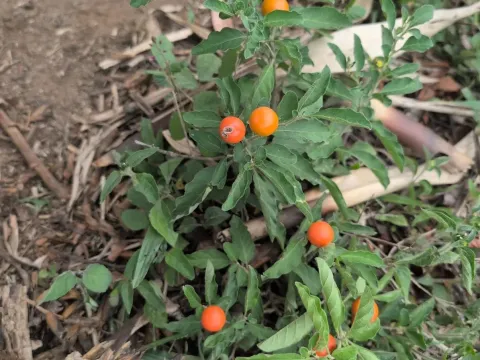
Jerusalem cherry
Solanum capsicastrum
Sowing Jerusalem cherry seeds is typically performed in late winter or early spring, specifically during February or March. Using a lightweight, peat-based substrate ensures optimal germination and initial seedling development.
What the section contains
Jerusalem cherry
Seeds should be sown at a depth of approximately 0.5 to 1 centimeter in a well-drained medium. Maintaining a consistent temperature between 20 and 22 degrees Celsius is crucial for breaking dormancy and achieving uniform emergence.
Seedlings usually emerge within two to three weeks. Once the first pair of true leaves develops, it is essential to transplant the young plants into individual pots to provide adequate room for root expansion and prevent competition for nutrients.
To encourage a bushy growth habit, regular pinching of the apical buds is recommended throughout the vegetative stage. This promotes branching, which is necessary for maximizing the number of fruiting sites on the plant.
Vegetative propagation via stem cuttings is also a viable method. Cuttings should be taken in the summer and placed in a moist rooting medium under high humidity conditions to ensure successful establishment.
The Jerusalem cherry is a member of the Solanaceae family and is recognized for its ornamental red or orange berries. This plant thrives in bright, indirect light, which is essential for maintaining plant vigor and promoting fruit production.
Temperature management is vital for the plant's lifecycle; it prefers a cool to moderate climate. During the growing season, temperatures should remain around 20-25 degrees Celsius, while a cooler winter period of 12-15 degrees is beneficial.
Soil requirements involve a fertile, well-draining mixture that allows for good aeration. Adding components like perlite or coarse sand helps prevent the substrate from becoming overly compacted and waterlogged.
Watering must be frequent during active growth, but it is important to allow the surface layer of soil to dry out between sessions. Overwatering can quickly lead to root rot, which is a common failure in improper cultivation setups.
Regular fertilization with a balanced NPK fertilizer is necessary to sustain growth and berry production. During the fruiting phase, adjusting the nutrient profile toward higher potassium content enhances fruit color and longevity.
Common pests affecting Solanum capsicastrum include aphids, spider mites, and whiteflies. These insects proliferate rapidly in indoor environments, necessitating regular inspection of the underside of leaves to detect infestations early.
Fungal diseases, such as root rot caused by Phytophthora or Pythium species, often stem from poor drainage or excessive soil moisture. Using sterilized growing media and ensuring good drainage are primary preventive measures.
Powdery mildew may occur when humidity is high and ventilation is poor. Providing adequate airflow around the foliage is a key management strategy to reduce the incidence of fungal pathogens and maintain plant health.
Nutritional deficiencies, specifically iron chlorosis, may manifest as yellowing of the leaves if the soil pH is too high or if the water quality is poor. Correcting these factors through substrate amendment is usually required.
It is important to emphasize that all parts of the plant, especially the berries, contain solanine and are toxic. Caution should be exercised, ensuring the plant is kept away from children and pets at all times.